
Table of Contents
The LG StandbyME deserves credit for proving something the tech industry hadn't really tested before. That people actually want a screen they can move around the house. Before it launched, the idea of a portable TV on wheels felt gimmicky. After it launched, it felt obvious. That's usually the sign of a well-executed product.
LG made the StandbyME simple; it runs on webOS, which works fine until you want an app that isn't in their small store. You can’t sideload your own software, the app list is short, and the whole system feels like it was made for a TV remote rather than your fingers. If you just want to watch movies, it’s okay. But if you want a screen that actually does work or lets you use your favorite mobile apps, you’ll hit a wall pretty fast.
Android alternatives have filled that gap, and the category has matured to the point where there are genuinely strong options at multiple price points.
The Case for Android Over webOS
Before getting into specific products, it's worth understanding why Android has become the preferred platform for portable displays, because it isn't just about having more apps. webOS is a television operating system. It was built to deliver streaming content efficiently, and it does that well. The interface is simple, the remote works, and setup takes about five minutes. For a traditional TV, that's exactly what you want.
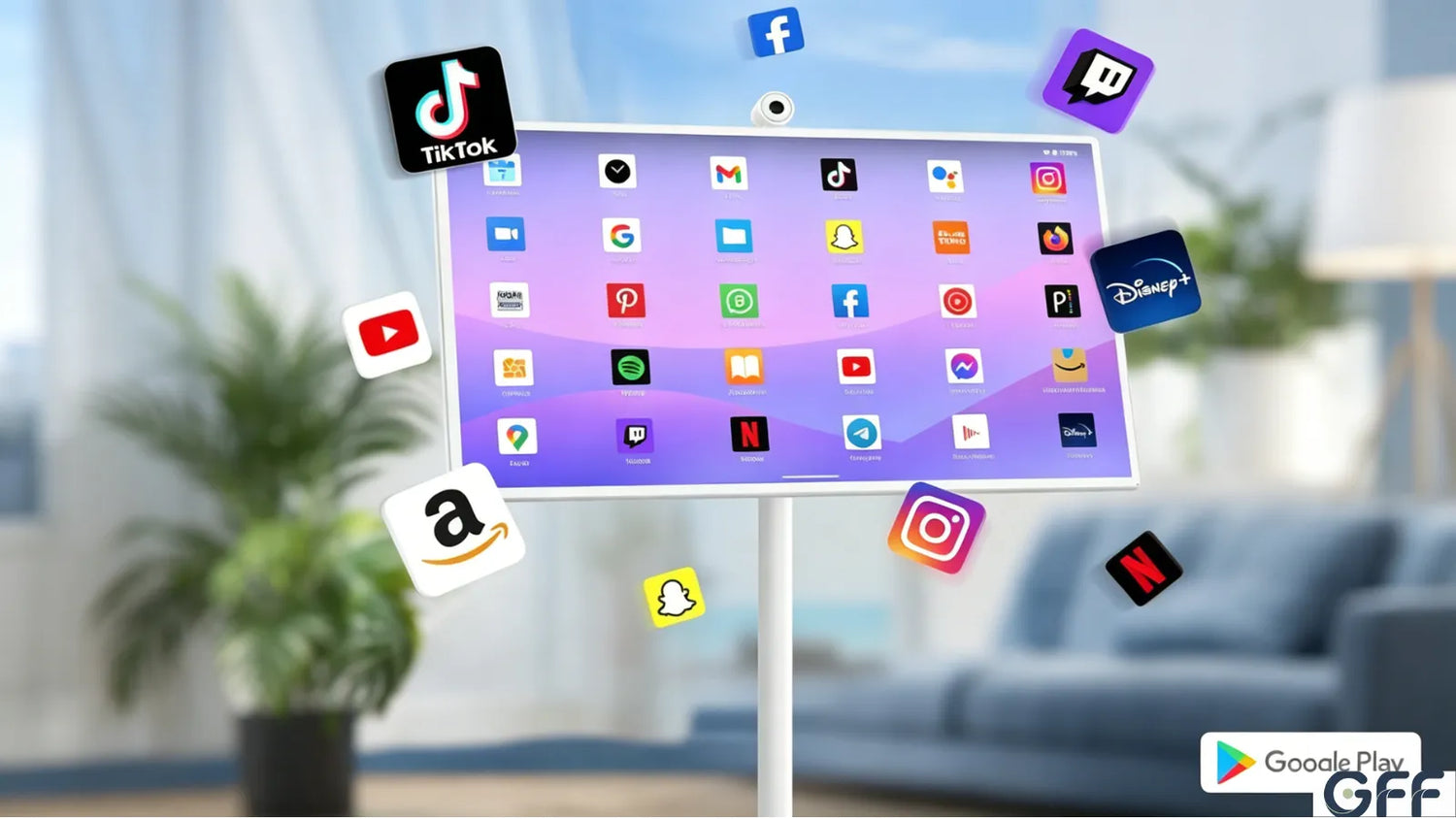
A portable touchscreen is a different product. It moves through the house, and the people buying it often have more in mind than just watching shows. Android is just better for this kind of hands-on, messy use. The touch response is fast, and the app store covers basically anything you can think of. Having the full Google Play Store is a massive deal; it's not just a minor upgrade.
On the LG, you’re trapped with a few basic TV apps. But with Android, you get millions of apps that actually make sense for a screen you can wheel around. It’s perfect for pulling up a workout app in your home gym, a cooking site in the kitchen, or even Slack when you're working. Plus, you can actually run two apps at once.
You can't really do that on webOS, but on these screens, it works exactly like you'd expect. You can have a video call open on one side and your notes on the other, which is something webOS just can't do. Plus, if you already use a Google phone or Nest devices, it all syncs up automatically. It’s not just a TV—it’s a giant version of the phone you already know how to use.
Technical Specifications Worth Understanding
The hardware market for these screens moved fast, but honestly, a lot of them are still built like junk. You can't just look at the price tag and assume it’s a good deal. If you want to avoid ending up with a 32-inch paperweight, there are a few specific things that actually separate the good screens from the disappointing ones.
Android Version and GMS Certification
Android 14 or 15 should be the minimum in 2026. Older versions will run into compatibility issues as apps update and drop support for outdated software. More importantly, verify that the device carries Google Mobile Services certification. Without official GMS certification, the Play Store won't be available in its genuine form, and streaming services like Netflix apply additional restrictions — often limiting playback quality because the device can't pass standard security checks.
RAM and Storage
Hardware performance determines how long a device stays usable. 8GB of RAM is enough for basic streaming, but it starts to feel sluggish when multiple apps are running. 16GB is the current practical standard for a device used in any serious capacity. For storage, 128GB provides enough room for offline downloads and general use without constantly managing available space.
Display Panel and Touch Technology
Since these screens move around the home and get viewed from different positions and distances, panel quality matters more than it would for a fixed television. IPS and Mini-LED panels maintain color accuracy at wider viewing angles, whereas a standard LCD will look fine head-on and washed out from the side. In-Cell touch technology integrates the touch sensors directly into the display panel rather than adding a separate layer on top, which results in noticeably better touch response and a closer feel between finger and image.
Battery Capacity and Stand Design
A portable display that requires a power cable loses most of what makes it useful. Look for battery capacity in the 15,000–20,000mAh range, which typically translates to six to ten hours of real-world use depending on brightness and content type. The stand design matters as much as the battery. A lightweight base will tip when rolling over a carpet edge or a door threshold, and that's not a problem you want to discover after purchase.
The Best Options Available Right Now
GFF S1-32 Pro
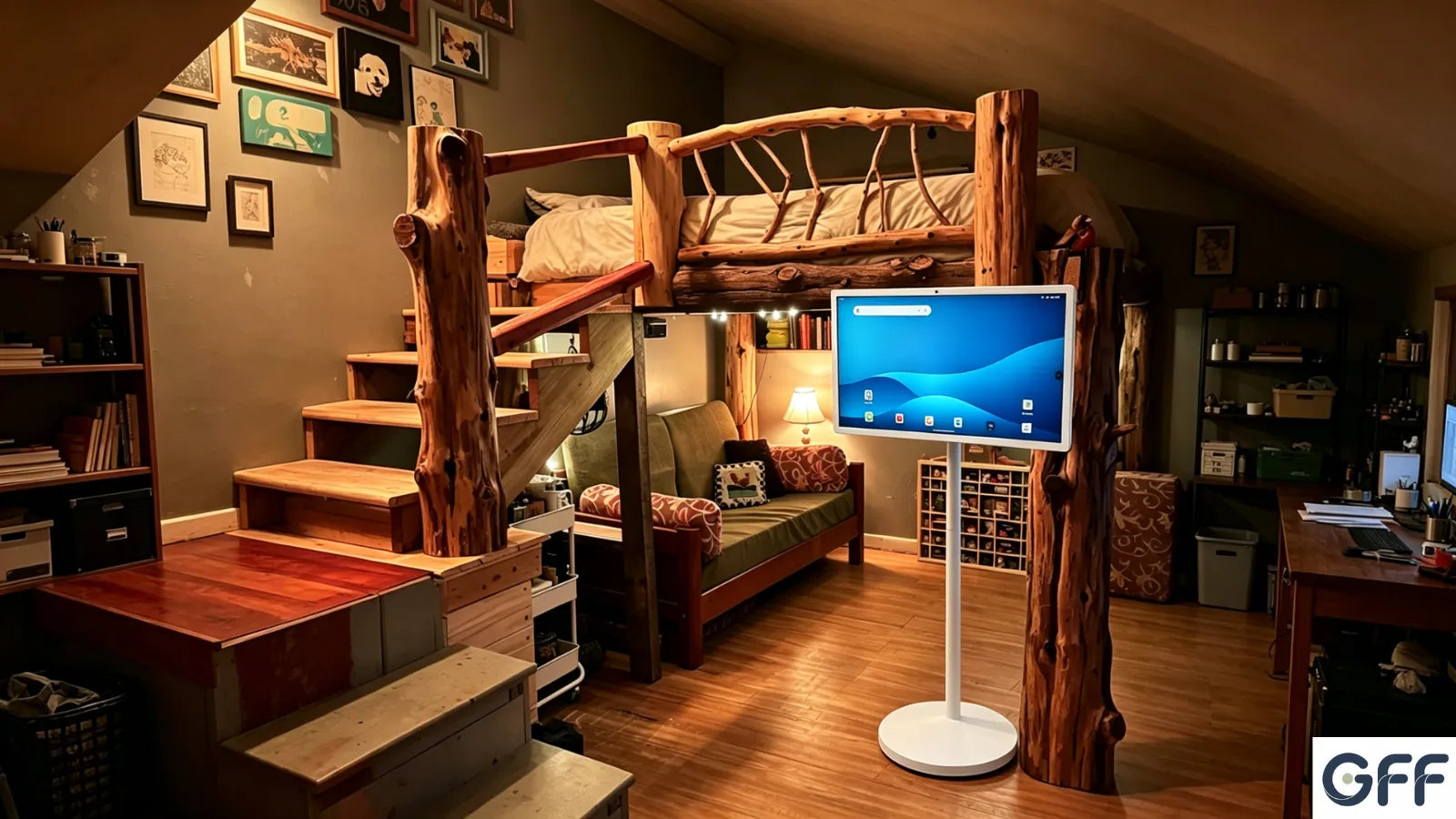
If you want the "big screen" experience without the brand-name tax, the GFF S1-32 Pro is the most logical choice. It scales up to a 32-inch 1080p panel, making the LG’s 27-inch screen feel a bit small by comparison. Since it’s Google Certified, you get the real Play Store and Android Smart Display 15 right out of the box no fighting with weird workarounds to get Netflix or YouTube to run.
The real win here is the 12,000mAh Lithium Iron Phosphate battery. That chemistry is way more durable than standard lithium, meaning the battery won't die on you after a year of heavy use. It’ll give you about 8 hours of juice, so you can wheel it from your morning coffee to a late-night movie without hunting for a plug. It’s a fast, reliable all-rounder for any family.

GFF S2
The GFF S2 is what happens when you turn a portable screen into a legit workstation. It’s the only one in this price bracket pushing a full 4K (3840 × 2160) resolution. Under the hood, it’s a different beast entirely, using the RK3576 chip and Wi-Fi 6 to handle heavy multitasking.
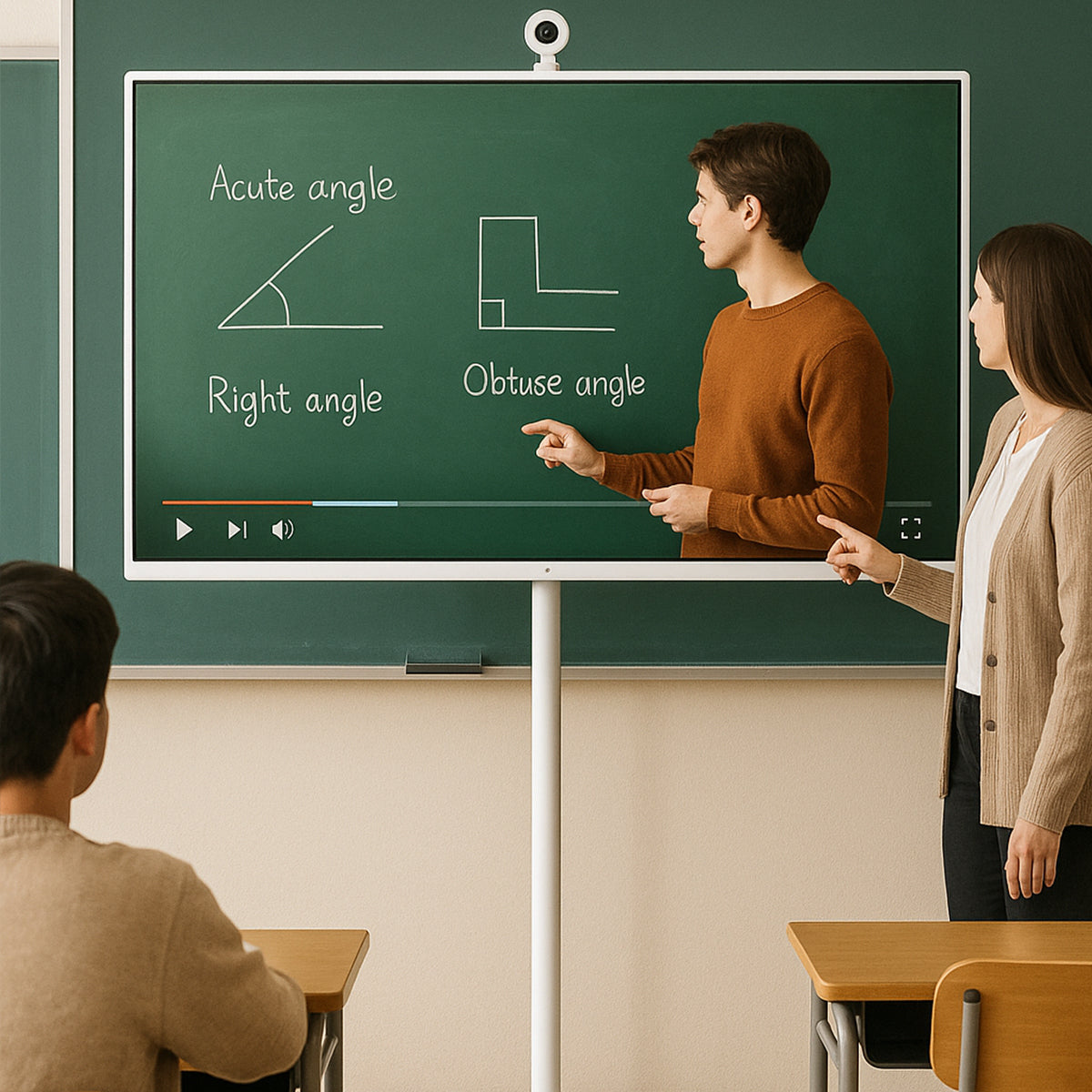
It’s built for video calls, featuring a built-in 16MP camera and 256GB of storage, which is double what most competitors offer. They also used AG + AF glass, so you aren’t constantly squinting through glare or wiping away greasy fingerprints. With a massive 20,000mAh battery, it’s the only one that can actually handle a full 10-hour workday untethered.
Samsung Movingstyle
Samsung's entry into this category focuses on refinement rather than raw specs. The QHD display with a 120Hz refresh rate produces noticeably smoother motion than competing panels, and the stand feels more substantial than anything else in the market. If the physical build quality of a device matters and for something that gets moved around daily, it should. The Movingstyle holds up better under repeated use.
Hisense S6 FollowMe
Most of these screens are basically mirrors if you try to use them near a window, but Hisense actually fixed that with the S6. They showed it off at CES 2026, and the big draw is that 4K panel—it’s got this anti-glare coating that makes a huge difference if you're on a sunny patio or in a bright kitchen. It doesn't wash out like the others.
The battery is the other big win. It hits 10 hours, which is the best seen in this category so far. You can honestly just wheel it around from your morning coffee until you go to bed without hunting for a plug. It might not have every single bell and whistle that the $1,500 brands brag about, but for the stuff that actually matters like seeing the screen and not being tethered to a wall it's the only one that really makes sense.
How These Screens Are Being Used
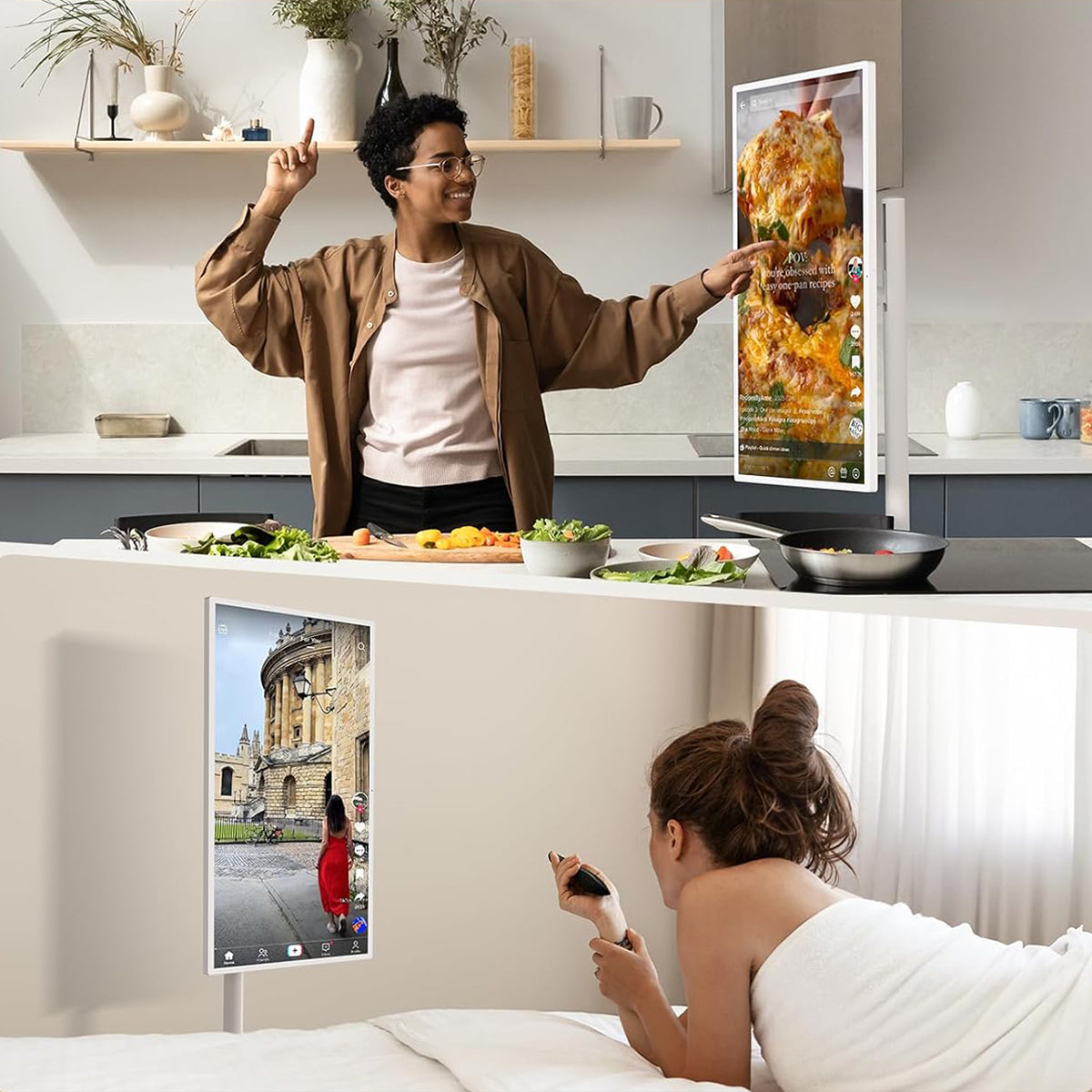
The kitchen use case has become one of the most common. A large screen at counter height showing a high-resolution tutorial, running a timer via voice command, or keeping a video call open while cooking replaces several awkward workarounds that most people have just accepted as normal. The adjustable stand means it works whether someone is standing at the counter or seated at the island.
Home fitness is another area where portable displays have changed the experience. Most workout applications are designed for vertical screens, and running them on a large portrait-mode display is meaningfully different from using a phone or a distant wall-mounted television. Models with built-in cameras add the ability to check form in real time, which previously required either a mirror or a separate camera setup.
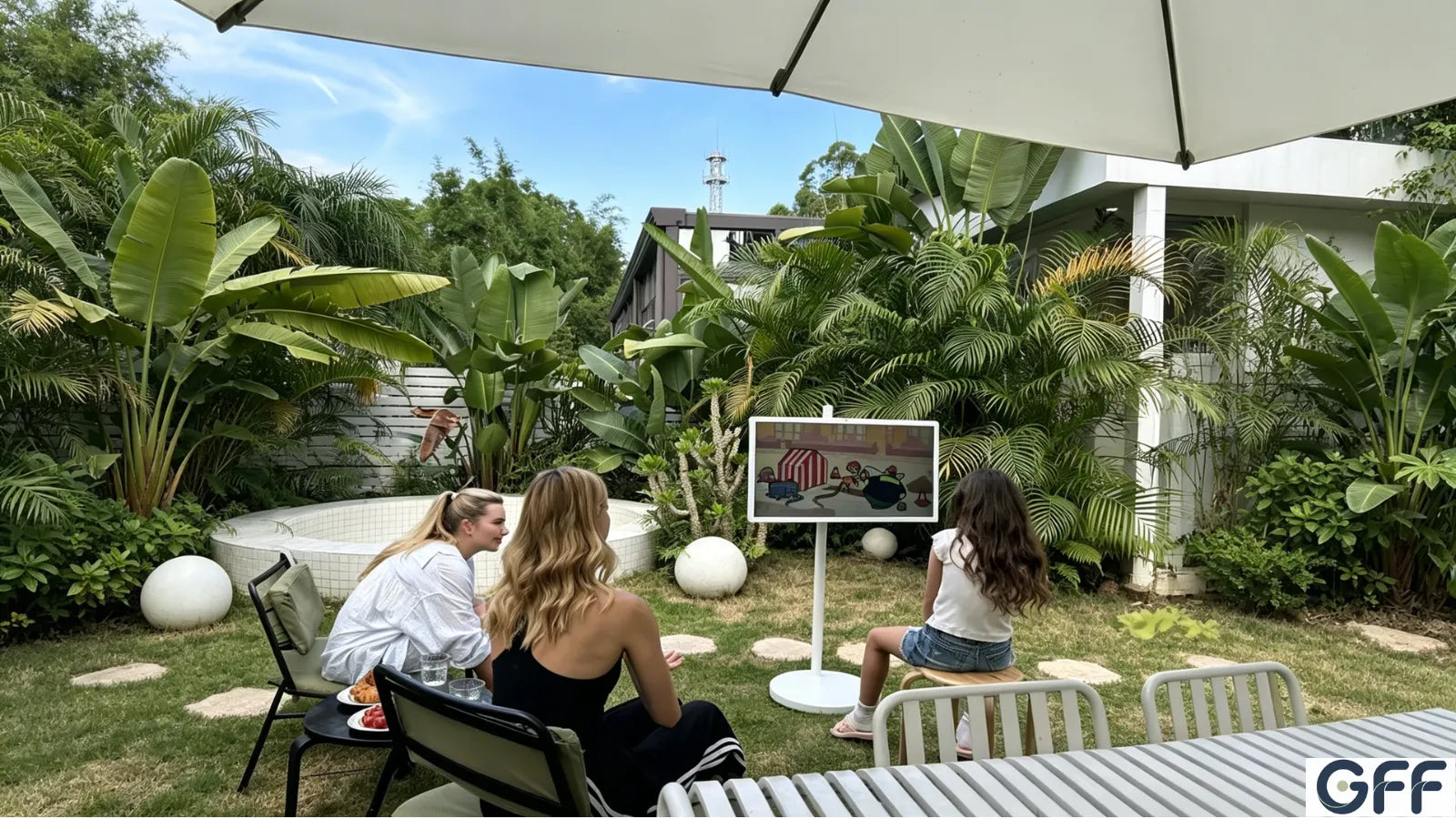
Outdoor use has become more reliable as Wi-Fi 6 has become standard. The cordless design removes the practical barriers of extension cords, cable management, and waterproofing concerns that previously made outdoor screen use more effort than it was worth.
Android vs. webOS at a Glance
| Feature | LG webOS | Android 15 |
|---|---|---|
| App Library | Curated and limited | Millions via the Play Store and APK |
| Interface | Remote-focused | Touch-first |
| Updates | Slow, proprietary | Regular, app-level |
| Smart Home | Limited | Native Google Home integration |
Where the Category Is Heading
The hardware for these screens has pretty much settled. Most of the panels and batteries you'll find now are almost identical. Because of that, 2027 is going to be all about the software getting smarter. Imagine moving your screen to the bedroom at 10 PM and it just knows to dim your lights and pull up a white noise app before you even touch it.
Long-term, these aren't just going to be portable TVs anymore. They’re turning into the main control center for your whole house. Instead of just "supporting" smart home gear, they’ll be the primary hub where you manage your security, check your power usage, and handle all your daily routines from one spot.
Final Thoughts
The LG StandbyME established that a screen should be as mobile as the person using it. Android alternatives have taken that starting point and removed most of the restrictions that came with the original. Better app access, real multitasking, native smart home integration, and competitive pricing. The case for Android in this category is straightforward in 2026.
The right model depends on priorities. For general family use, the GFF S1-32 Pro covers the essentials cleanly. For remote work, the GFF S2 is a meaningful upgrade over any improvised home office setup. For longevity and outdoor flexibility, the Hisense S6 leads the field. Each one does something specific well, and none of them ask you to compromise on the things that matter most.