


Table of Contents
- How We Chose These Brands
- Japanese TV Brands at a Glance
- Sony: Known for Bravia and Clear Pictures
- Panasonic: Known for Films and Plasma TVs
- Sharp: Known for Aquos Screens
- Toshiba and Regza: Japan’s Top Seller
- Why were Japanese TVs so well known?
- What are their main benefits?
- Are Japanese TVs still made in Japan?
- FAQ
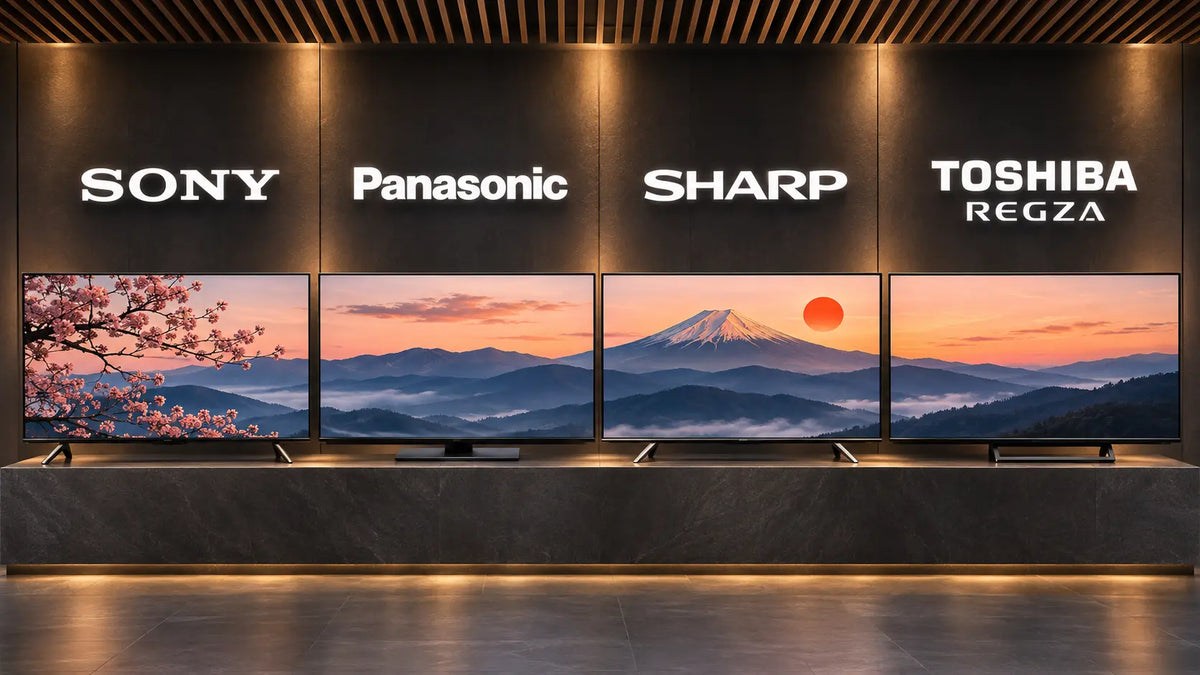
Sony, Panasonic, Sharp and Toshiba are the biggest names in Japanese TVs, and each one brings something different to the table. Sony’s Bravia line is known for its picture quality, Panasonic is the one to pick if you want to watch films the way their makers intended, and Sharp is best known for its Aquos range.
In Japan, Toshiba TVs are sold as Regza, and that’s the best-selling TV brand in the country. The companies behind those brands have all changed. Sony has agreed to move Bravia into a company that TCL of China will effectively run, and Skyworth is now making Panasonic TVs for the West.
So what makes a TV Japanese today? Where it’s made is only part of the answer. You also need to look at who owns the brand and who designs the technology.
How We Chose These Brands
We picked these four based on three things:
- How well known the brand is
- How many TVs it ships globally
- How well it sells at home in Japan
Sony has the biggest name in the world, Regza are the sales leader in Japan and both Sharp’s Aquos and Panasonic’s Viera are still very much household names there.
Other Japanese brands (Hitachi, Pioneer and Mitsubishi) have pulled back from TVs, so they're not on the list.
Japanese TV Brands at a Glance
Here’s the quick version before we get into each brand.
| Brand | Famous range | Known for | Model to know | Who runs the TV business now |
|---|---|---|---|---|
| Sony | Trinitron, then Bravia | Picture processing, smooth motion | Bravia 7 II (True RGB) | Sony, moving to Bravia Inc. (51% TCL) from April 2027 |
| Panasonic | Viera | Film-accurate color, Technics-tuned sound | Z95B OLED | Skyworth makes and sells them in Europe and North America |
| Sharp | Aquos | LCD know-how, quantum dot color | Aquos XLED X9A | Sharp, owned by Taiwan’s Foxconn since 2016 |
| Toshiba (Regza) | Regza | Broadcast picture quality, Time Shift Machine recording | ZX1S / ZX2S (RGB Mini LED) | TVS Regza, 95% owned by Hisense |
Sony: Known for Bravia and Clear Pictures
The TV range people know
Before Bravia, there was Trinitron. Sony launched that color tube in 1968, and the bright, clear picture it produced was a major factor in establishing Sony as a global household name.
Bravia came in 2005 with Sony’s first LCD TVs. The screens are very different now, but you'll still see the Bravia name on Sony TVs today.

What makes Sony different?
In Dec 2007, Sony started selling the world’s first OLED TV in Japan (the 11-inch XEL-1 at 200k yen). Given its size and price, it was more of a 'here's what OLED can do' piece than anything you'd buy as your main TV.
Today Sony uses its Cognitive Processor XR to enhance color, highlights, shadows and motion. In 2026, it introduced “True RGB” backlights (separate red, green and blue LEDs rather than the usual blue LEDs behind a color filter).
A model worth knowing
Vintage TV collectors will know the Trinitron KV-1310. For the modern-day buyer, the Bravia 7 II is the one to look at, as it’s one of Sony’s first True RGB TVs. Reviews have been very positive, and the 65" model launched at $2,599.99. The Bravia 9 II sits above it in the range, with models available from 65" to 115".
Sony has 1.8% of world TV shipments, rising to 4.4% for TVs over $500. From April 2027, Bravia Inc. will be the design and manufacturing arm of Sony’s TVs (TCL has a 51% stake and Sony 49%). Sony will continue to supply the picture and sound technology.
Panasonic: Known for Films and Plasma TVs
The TV range people know
Panasonic uses the Viera name, though a lot of TV people will still think of their plasma sets first. They had well over 40% of the plasma market at one stage circa 2010.
Its 2013 ZT60 is still around on the home cinema forums. Panasonic stopped making plasma TVs in 2014, so the ZT60 is a bit of a relic now, but the impression it made when it came out has certainly held up over the years.

What makes Panasonic different?
Panasonic wants films to look the way their makers intended, so it works with Hollywood colorist Stefan Sonnenfeld, the founder of Company 3, to get the colors right on its top OLED TVs.
The sound gets attention as well, with Panasonic’s hi-fi brand Technics setting the speakers to deliver good audio to go with the excellent picture.
A model worth knowing
The 2025 Z95B has a bright 4K four-layer OLED screen and a 5.1.2 channel speaker system. It's running Fire TV in the US and several reviewers have called it one of the best TVs of the year.
Since 1 April 2026, Skyworth has been manufacturing and selling Panasonic TVs in Europe and North America. Panasonic still does the quality checks and is involved in the development of the top-end OLED sets and still sells its own TVs in Japan.
Sharp: Known for Aquos Screens
The TV range people know
Sharp built Japan’s first TV in 1953, though it's the Aquos name that most people will be familiar with. The Aquos range launched in 2001, so it's celebrating its 25th anniversary in 2026.
Over 56m Aquos TVs have been shipped in Japan (Sharp says about one in three TVs bought in the country has been an Aquos).

What makes Sharp different?
Sharp was an early adopter of LCDs. Their Kameyama Aquos TVs in the mid 2000s used screens made at their factory in Mie and the factory name was a selling point.
Next up was Quattron, which added a yellow subpixel to the standard red, green and blue to improve color. Sharp then launched the world’s first 8K TV in 2017.
For 2026, Sharp is skipping the RGB backlights and going down a different route with the Aquos XLED X9A, which uses a new quantum dot layer. Sharp claims this provides around 1.4x the color volume of the previous model.
A model worth knowing
Plenty of older Japanese buyers will recall the Kameyama Aquos. The current range is the Aquos XLED X9A and the Aquos OLED S9A (which is available in a 48" size you don't see often).
Some models even allow you to talk to an AI character on screen. Taiwan’s Foxconn has owned Sharp since 2016.
Toshiba and Regza: Japan’s Top Seller
The TV range people know
Regza launched in 2006, so it’s 20 in 2026. You’ll mostly see the Toshiba name outside Japan, but in Japan Regza is the name that everyone knows, and it’s now the best-selling TV brand in the country.
What makes Regza different?
Regza uses its own picture chip (the Regza Engine) to clean up whatever you're watching.
Another popular feature is the Time Shift Machine, which will record several channels at the same time so you can go back to a program even if you'd never set it to record. The two top models for 2026 (the ZX1S and ZX2S) use RGB Mini LED backlights.

A model worth knowing
The 43Z670R 43-inch was Japan’s best-selling 4K TV for a good chunk of spring 2026. That speaks volumes about what people want in a smart TV for a smaller home.
In a deal announced in late 2017, Hisense bought 95% of Toshiba’s TV business for 12.9bn yen, Toshiba retaining the other 5%. Since then, Regza’s share of TV shipments in Japan has grown from 14.6% in 2017 to 30% in 2025.
Why were Japanese TVs so well known?
These were the brands that brought the new screens into the home (Trinitron, plasma, LCD and the first OLED TV). The screens were only one part of the story, though, as the sets had to perform day in, day out.
They were working on better pictures long before “AI upscaling” became a marketing point and a lot of the sets were built well enough to last for years.
Rather than just going for brightness, they tuned their screens for films, for sport and for general TV viewing and that went a long way to building trust.
What are their main benefits?
- Natural color is one of the main reasons people choose Sony and Panasonic. The aim in both cases is to show what the director wanted, so the colors are toned much closer to what you'd see in real life.
- Picture quality is another strength, particularly Sony's, whose processing is excellent for sports and fast-moving games.
- Good built-in sound will also save you the cost of a soundbar. Panasonic uses Technics-tuned speakers, and Sony plays the sound from the screen.
- Long-standing support is important as these brands have developed their support networks over the years (particularly in Japan).
The major downside is price. In Japan, a 55" TV from a local brand is typically around ¥160,000–¥200,000. Whereas a similar TCL is under 80k, so you're paying a huge premium for the picture tuning and finish.
Are Japanese TVs still made in Japan?
Very few are. Sharp stopped TV assembly at Yaita in Tochigi in 2018 and then ended panel production at Sakai in 2024. Panasonic’s old Utsunomiya TV plant now only handles used products and business screens.
Skyworth is doing the Western production for Panasonic and TCL are going to be leading on Sony’s side, so we can’t say that any of the current home TV ranges are actually made in Japan.
A lot of the design work still goes on there, such as chip design and picture tuning, as well as the planning of new products.
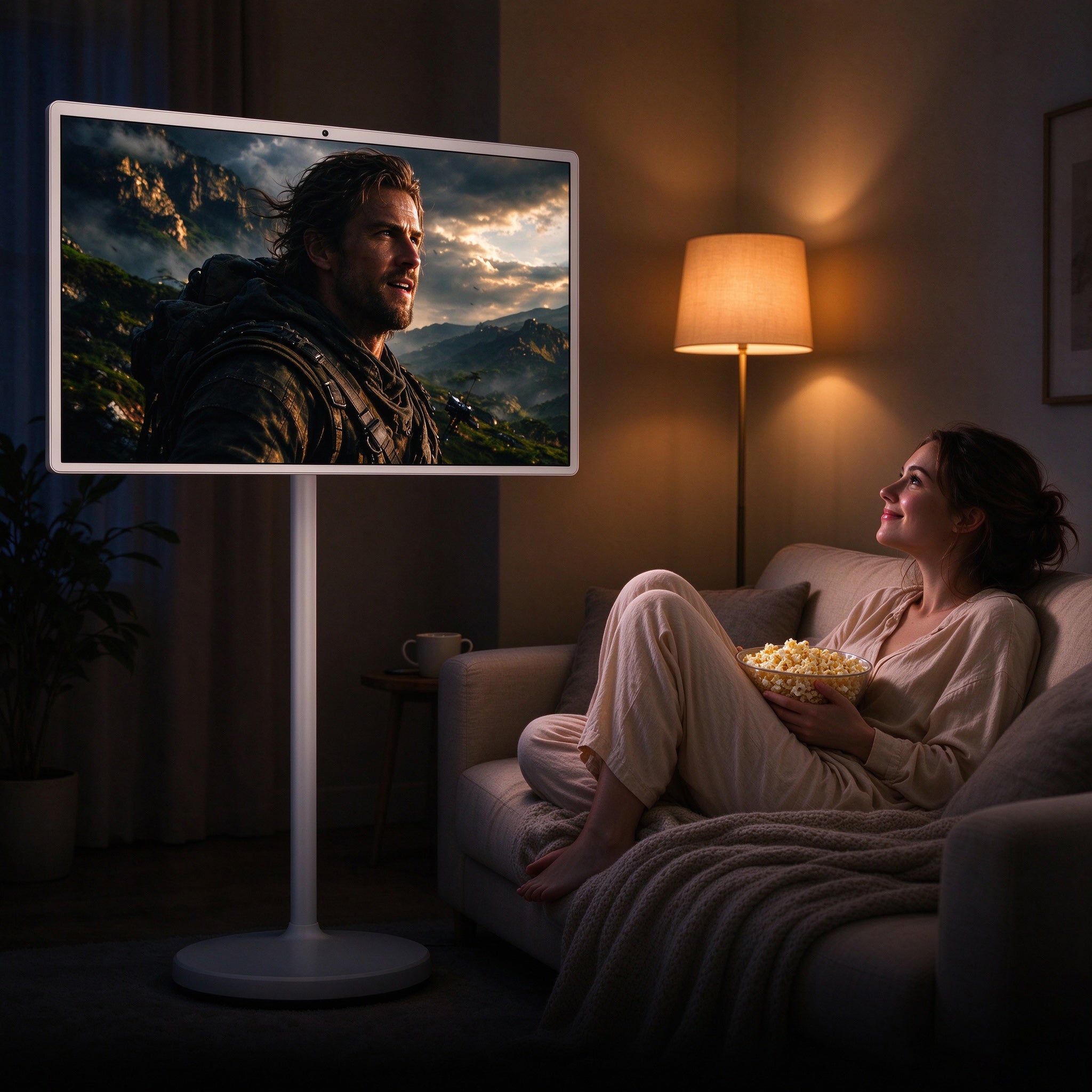
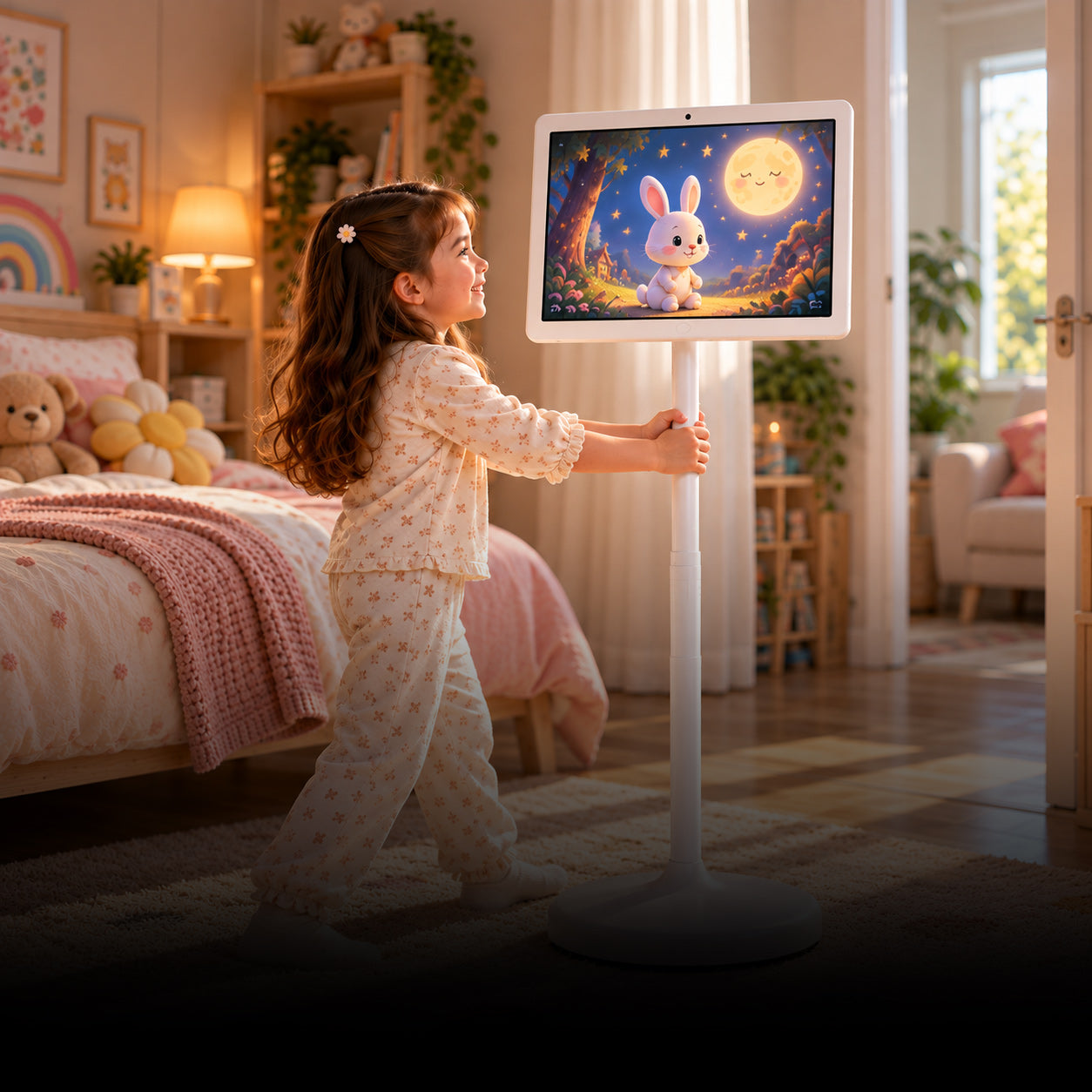
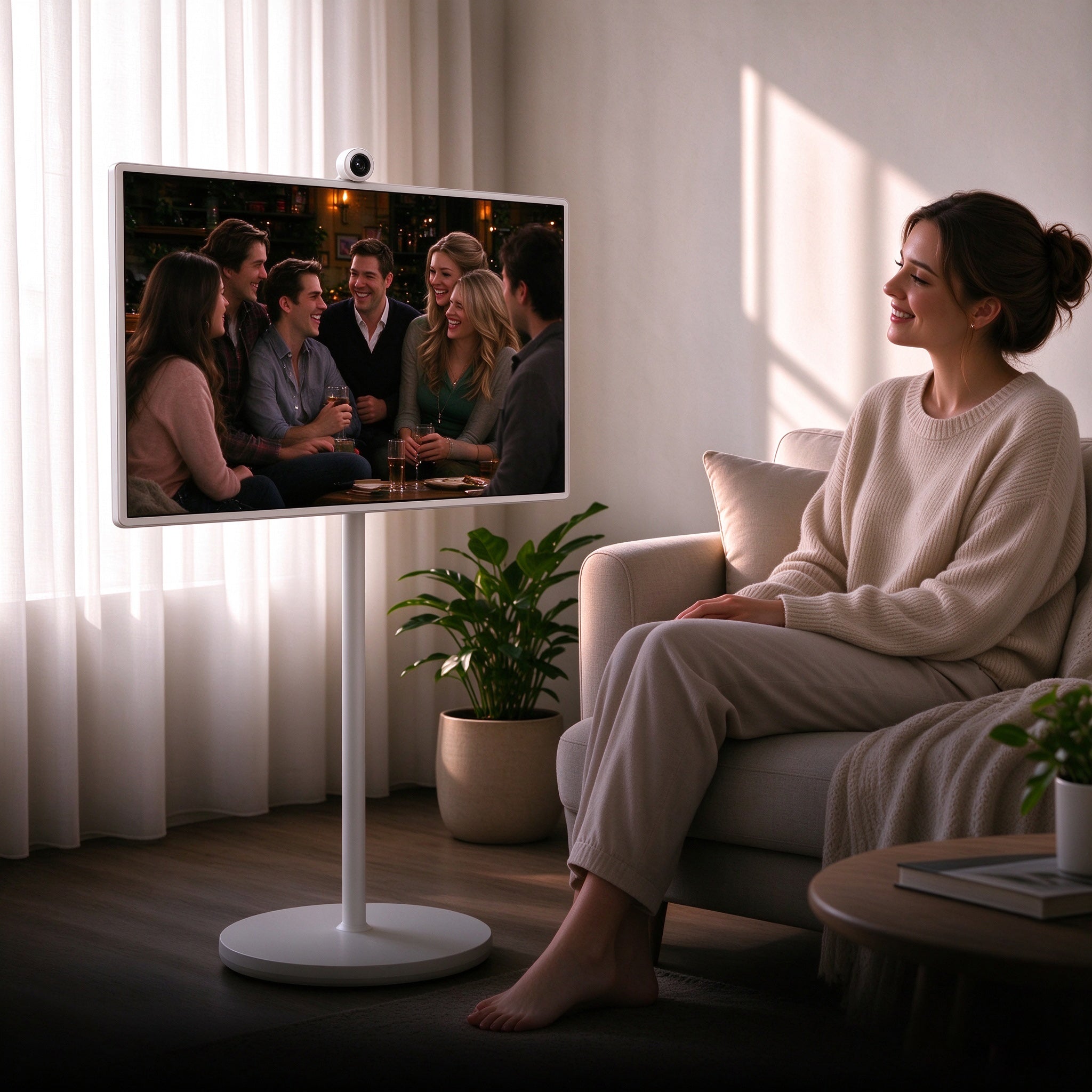
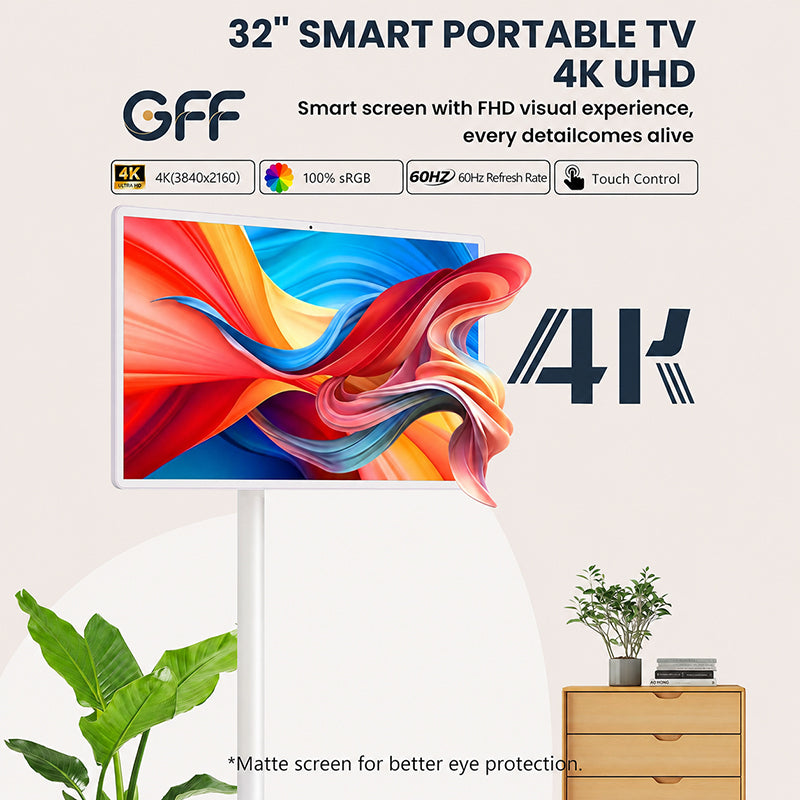
If you want a screen you can move around, GFF AI makes portable smart screens on rolling stands, so you can take them from room to room without a wall mount or a mess of cables.
FAQ
1. What is the best Japanese TV brand?
Sony is the best all-round Japanese TV brand for most buyers outside Japan. Panasonic is the pick for film lovers who want accurate color, while Regza and Sharp make the most popular TVs inside Japan.
2. Is Sony still a Japanese TV brand?
Yes, for now. Sony is a Japanese company, but from April 2027 its TVs are expected to come from Bravia Inc., a joint venture that’s 51% owned by China’s TCL. Sony will still provide the picture and sound technology.
3. Are Toshiba TVs Japanese?
Toshiba TVs have Japanese roots but Chinese ownership. Hisense owns 95% of the business, now called TVS Regza, which still develops Regza TVs for the Japanese market.
4. Are any TVs still made in Japan?
Very few, if any. We couldn’t confirm any current home TV range that’s still assembled in Japan, though Japanese brands still design and tune their sets there.
5. Are Japanese TVs better than Samsung or LG?
Not across the board. Japanese brands usually win on color accuracy and processing, while Samsung and LG often offer more features or brighter screens for the money.
The Bottom Line
Japanese brands were instrumental in creating the TVs we use today (from Trinitron to the very first OLEDs). Ownership and factories have changed, but the years of work that went into picture quality are still very apparent in the TVs they produce. If picture quality matters to you, Sony and Panasonic are definitely worth looking at.
If you just need a second screen, you can roll from the kitchen to the bedroom and check out GFF AI’s portable smart touch screen TVs. You can take one to whichever room you want to watch in.