

Table of Contents
The fixed television is quickly becoming a relic of the past for most modern homes. As our daily lives become more fluid, we expect our digital world to follow us. We move from the home office to the kitchen and out to the patio daily. This shift has turned the portable TV on wheels into a vital smart home tool. Soon, the future of smart screens on wheels will be defined by five leaps. New technologies like folding displays and proactive AI are erasing the lines of our media.
These mobile hubs offer a level of freedom that old static screens simply cannot match. They transform every corner of your property into a vibrant space for work or play. Homeowners no longer want to be tied down by heavy hardware and messy power cords. Modern users demand high-quality displays that can adapt to many different and changing needs.
Innovative brands are now focusing on portability without sacrificing the power of a large screen. This evolution marks a new era where technology blends perfectly with your unique home decor. Below, we explore the major innovations set to redefine how you interact with your home.
Foldable Screens Replace Fixed-Size Screens
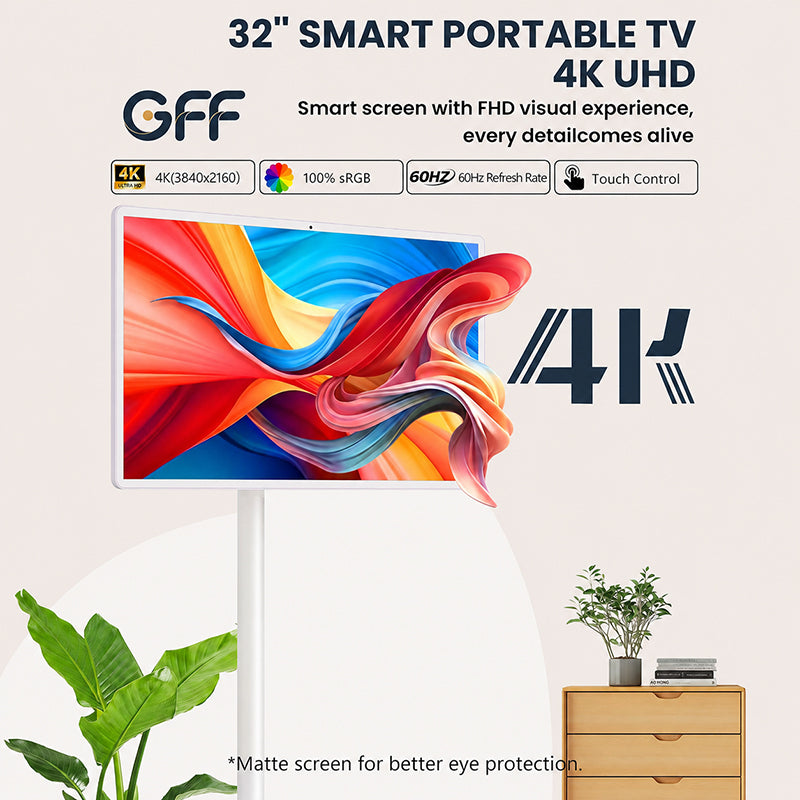
Most screens are one size, like 32 inches wide. This size is good, but some users want an even bigger view. A large fixed screen can be hard to move around. A major trend for 2027 is the Rollable OLED Display technology, and Huawei has also shown off a new tri-fold screen that works well. These new designs let a big screen fold into a small space. You get a theatre view that is easy to roll.
Folding screens solve the problem of balance in a busy home. Your mobile TV can be the perfect size when open, but compact when stored. This means you can have a 50-inch screen that fits in a corner. When you are done, it rolls away to stay safe and clean. This protects the glass while you move it between different rooms.
It also makes it much easier to fit into a small closet. High-quality panels make sure the picture stays sharp after many thousands of folds. By 2027, these flexible screens will be the new goal for luxury.

From Smart Touch Screens to AI-Integrated Screens
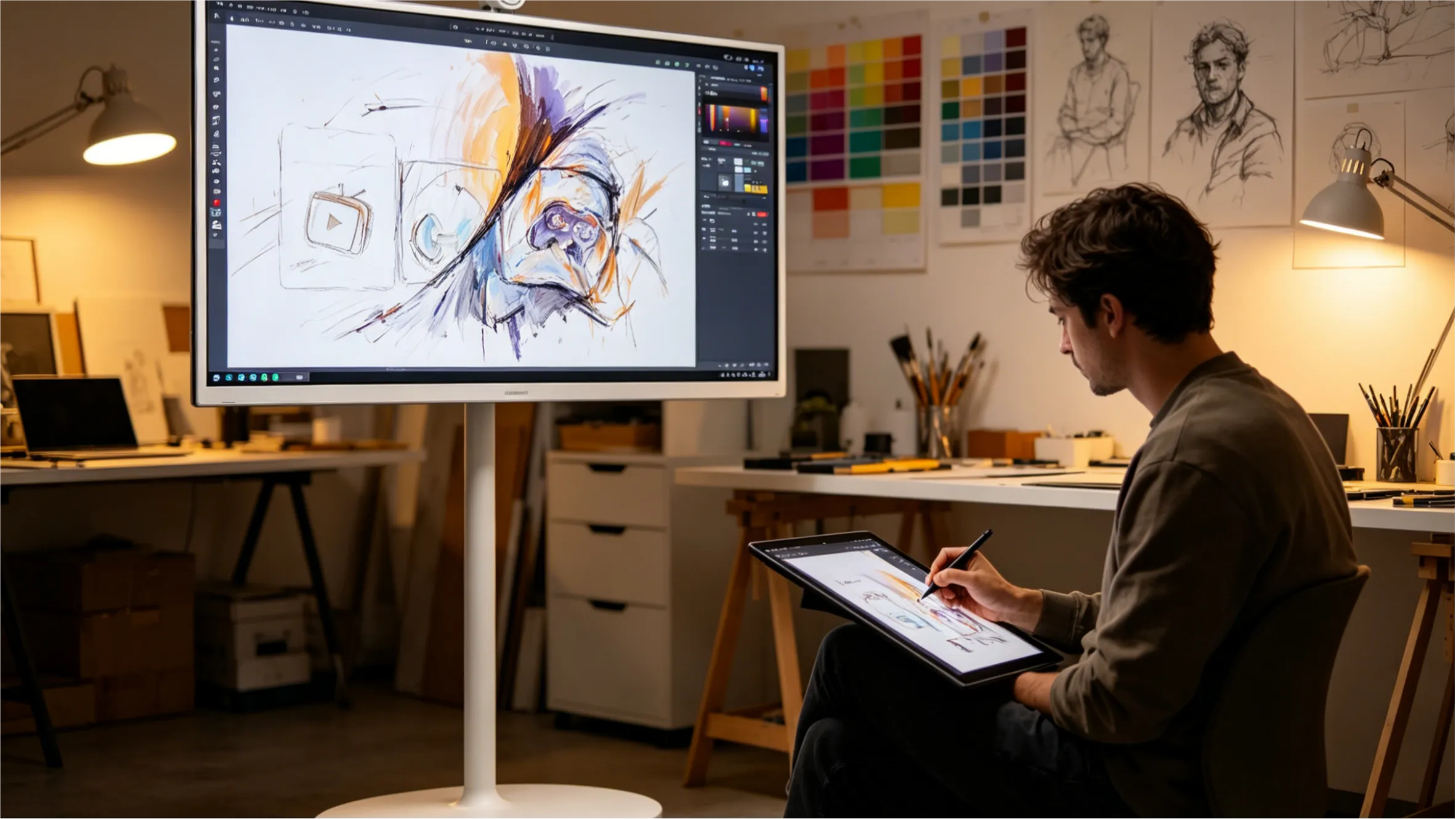
Today, we use touch or voice to control our mobile smart screens. By 2027, a Next-Gen StanByME alternative will have deep AI built in. Samsung is already using Vision AI tech in its newest TV models. This allows for AI gesture control and better awareness of the room. Huawei uses skeletal tracking to help people with their home gym forms.
In the future, your screen will not just wait for a command. It will use its camera to learn what you need each day. This makes using the screen feel much more natural and smooth.
If you walk into the kitchen, it might show a recipe you like. If the screen sees you working out, it can start a timer. AI will turn a basic screen into a helpful digital partner for you. It can even change the brightness based on the light in your room. Voice control will get much better, even in a noisy house. The screen will know who is talking and show your personal apps. This level of detail makes the device feel like a part of the family. You will spend less time clicking and more time watching your shows.
Transparent OLED Screen Technology
When a mobile TV is off, it often looks like a big black box. This can clash with the nice look of a modern home. Xiaomi and LG have already launched clear OLED display panels that look great. In 2027, transparent screens will be a standard for high-end mobile units. When the power is off, the screen looks like a clear glass sheet.
This helps the device blend in with your furniture and home decor. It keeps your living room looking open and bright at all times. Your home will feel less cluttered while still having all the latest tech. It is a perfect mix of style and high-tech use for everyone. These screens can also show small bits of info while staying mostly clear.
You might see the time or weather floating on the glass surface. This invisible tech is a big trend for the homes of the future. It appeals to people who love tech but hate the look of wires. The GFF S1 will likely lead this trend with its very sleek design.

High-Energy-Density Batteries and Wireless Fast Charging
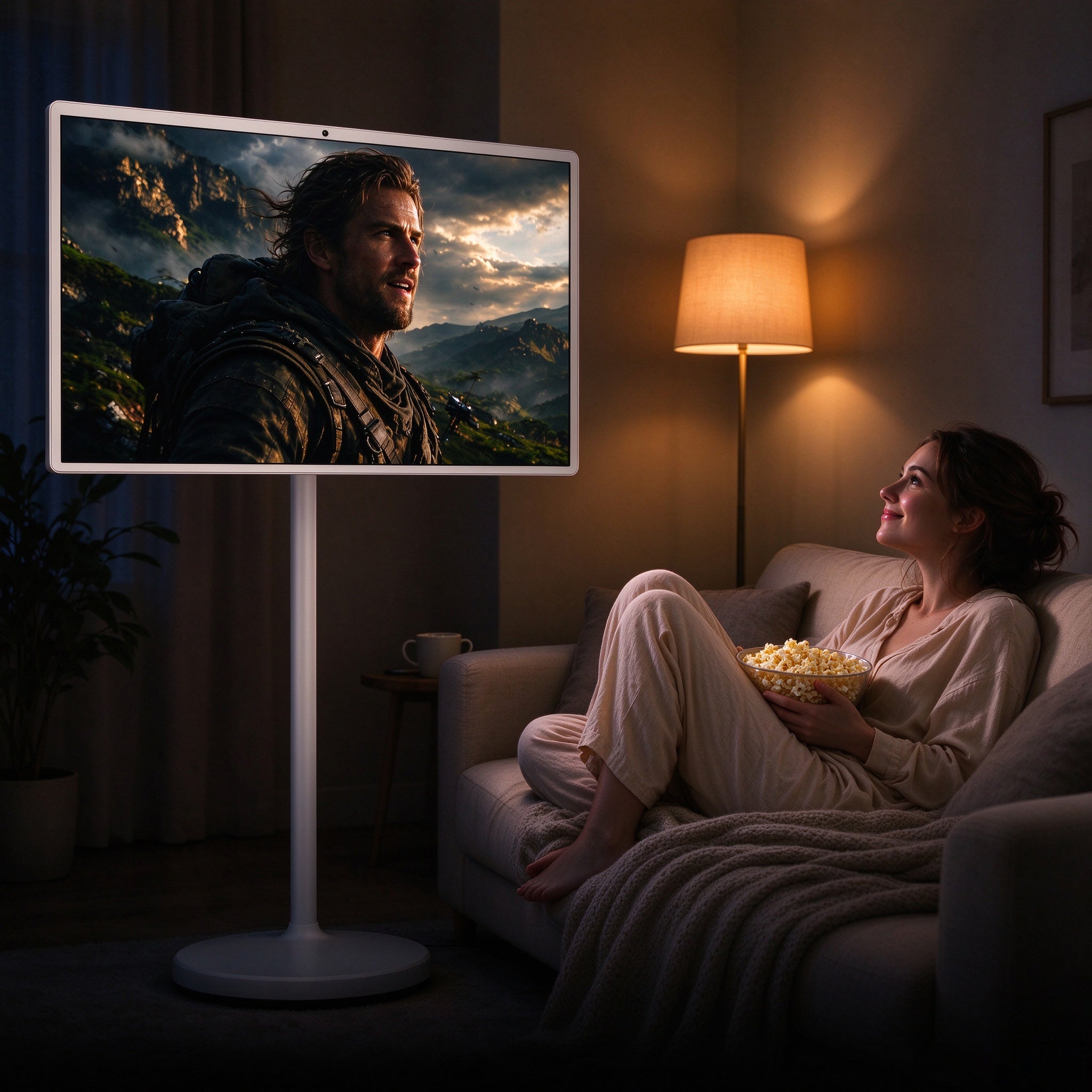
Short battery life is a big problem for many people nowadays. Most mobile screens only stay on for about three or four hours. CATL and Toyota plan to develop a solid-state battery for Mobile TV soon. These new batteries should be ready for the mass market by 2027. This means your portable TV on wheels could last for a whole day.
You will not have to find a wall plug every few hours. Wireless fast charging will also make it very easy to power up. You can just park the unit on a charging mat at night. A longer battery life makes for a much better user experience every day. You can enjoy long movies or games without the power dying out.
Solid-state batteries are also much safer and lighter than the old ones. This makes the whole unit easier to push across a thick carpet. Fast charging means you can get two hours of use in ten minutes. This reliability is vital for people who use screens for their work. You can take your screen to the backyard for a long night. Power freedom is the next big step for all mobile technology.
Cross-Platform Ecosystem
Sending a video from your phone to a screen can be slow. Different systems often have trouble talking to each other at home. The 2027 trend is a cross-device ecosystem that works for all. New WiFi 7 connectivity will make moving data much faster than today. AI will help break down the walls between different tech brands. You will be able to move a task from your phone in a second. Moving your work between a laptop and the mobile hub will be easy. This creates a smooth flow of info for both work and fun.
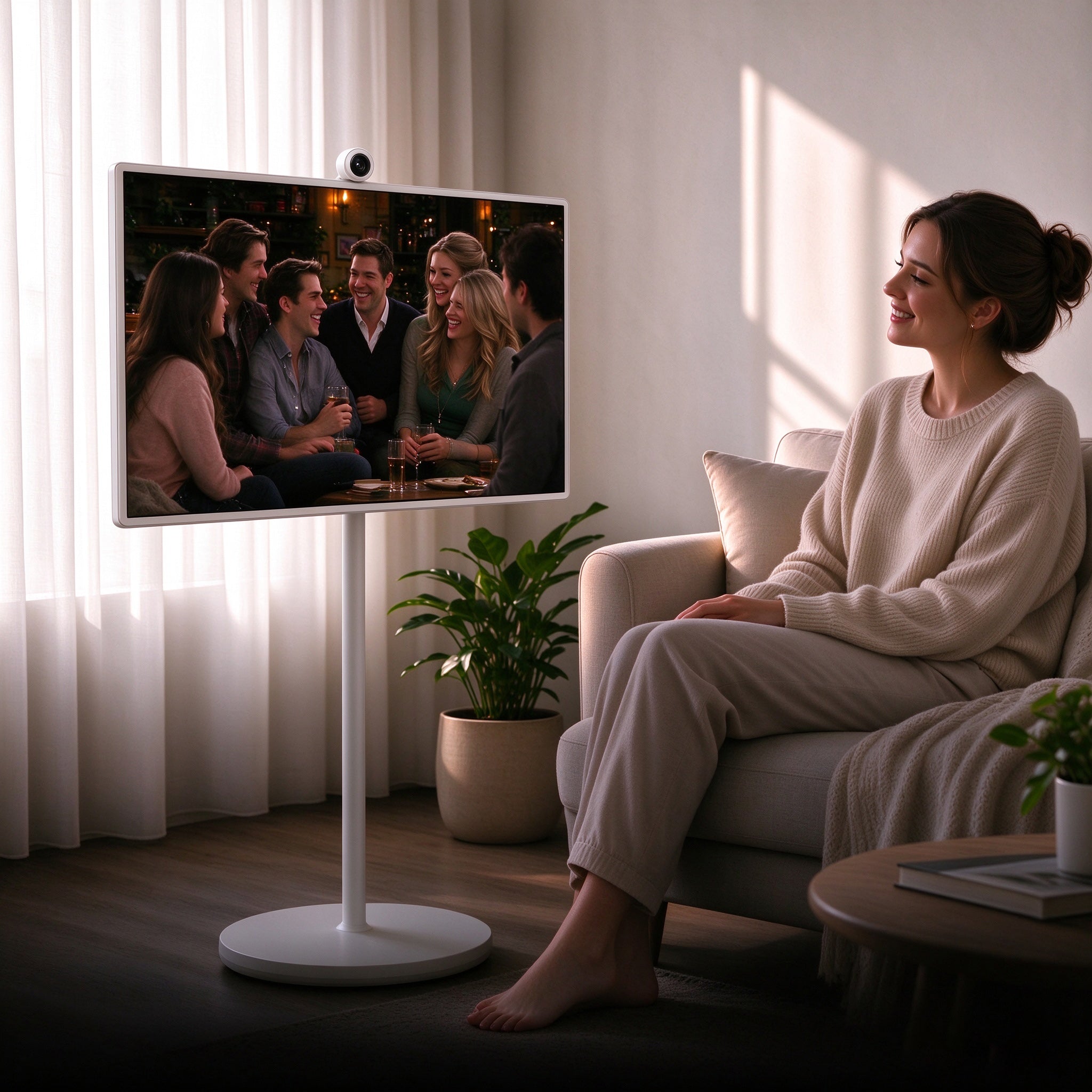
Total connectivity is the main goal for the next group of screens. You can start a show on your phone and finish it on the big screen. The unit will automatically sync with your smart lights and door locks. It becomes a central control panel that moves with you through the house. This link makes life much more convenient for busy people. No more searching for a cable or trying to find the right app. Everything will just work together perfectly with one touch or a voice call. WiFi 7 will make sure that high-definition video never lags or slows down.
Launching a Mobile Screen Business
The demand for mobile smart screens is growing fast every year. Now is a great time to start a business in this tech sector. More people want flexible ways to watch and learn in their homes. Offering the latest 2027 tech will give you a big lead on others. You can reach families or even people who plan outdoor events. High-tech mobile screens are the new standard for a modern digital home. By starting early, you can lead the market in your local area. This is an exciting time for tech fans and new business owners.
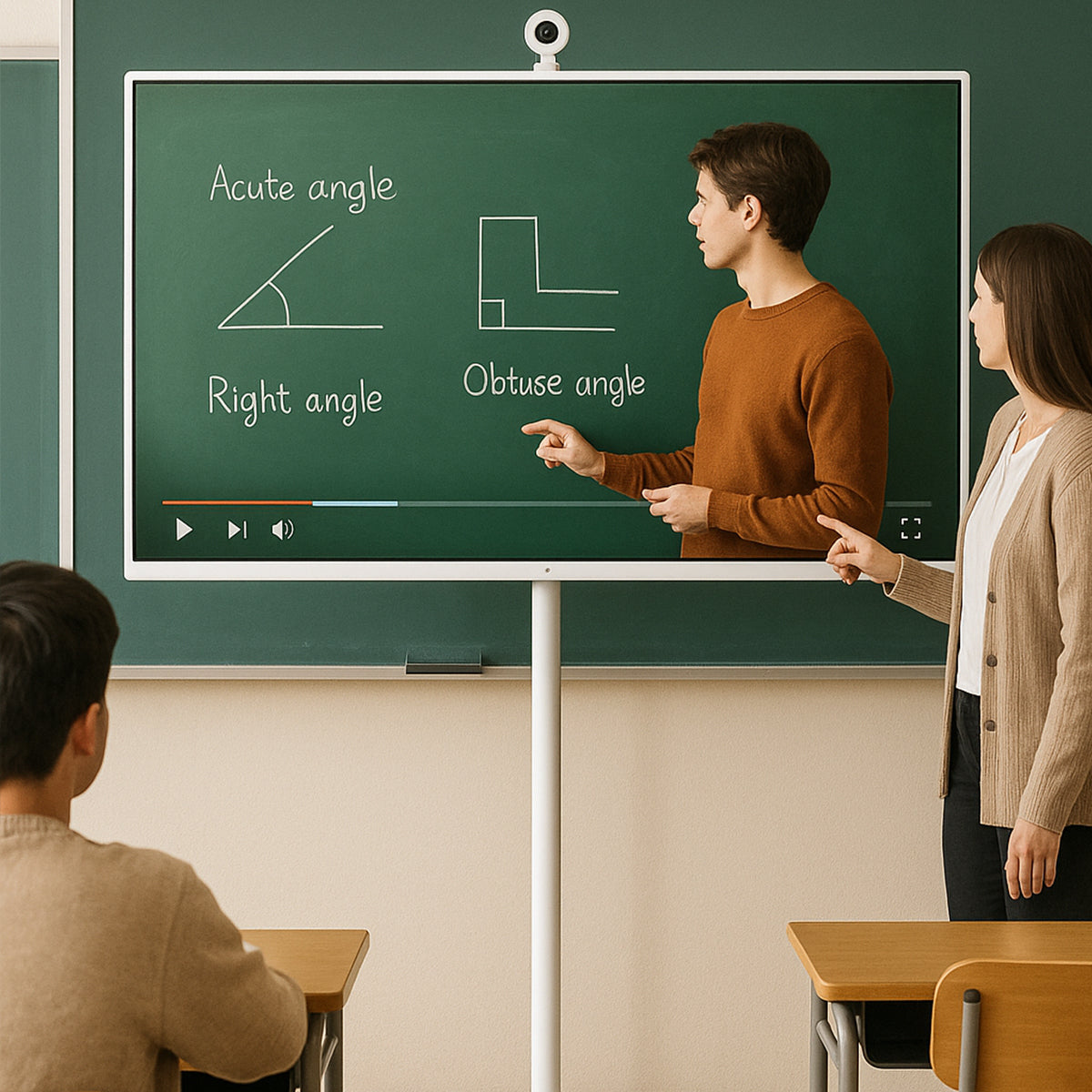
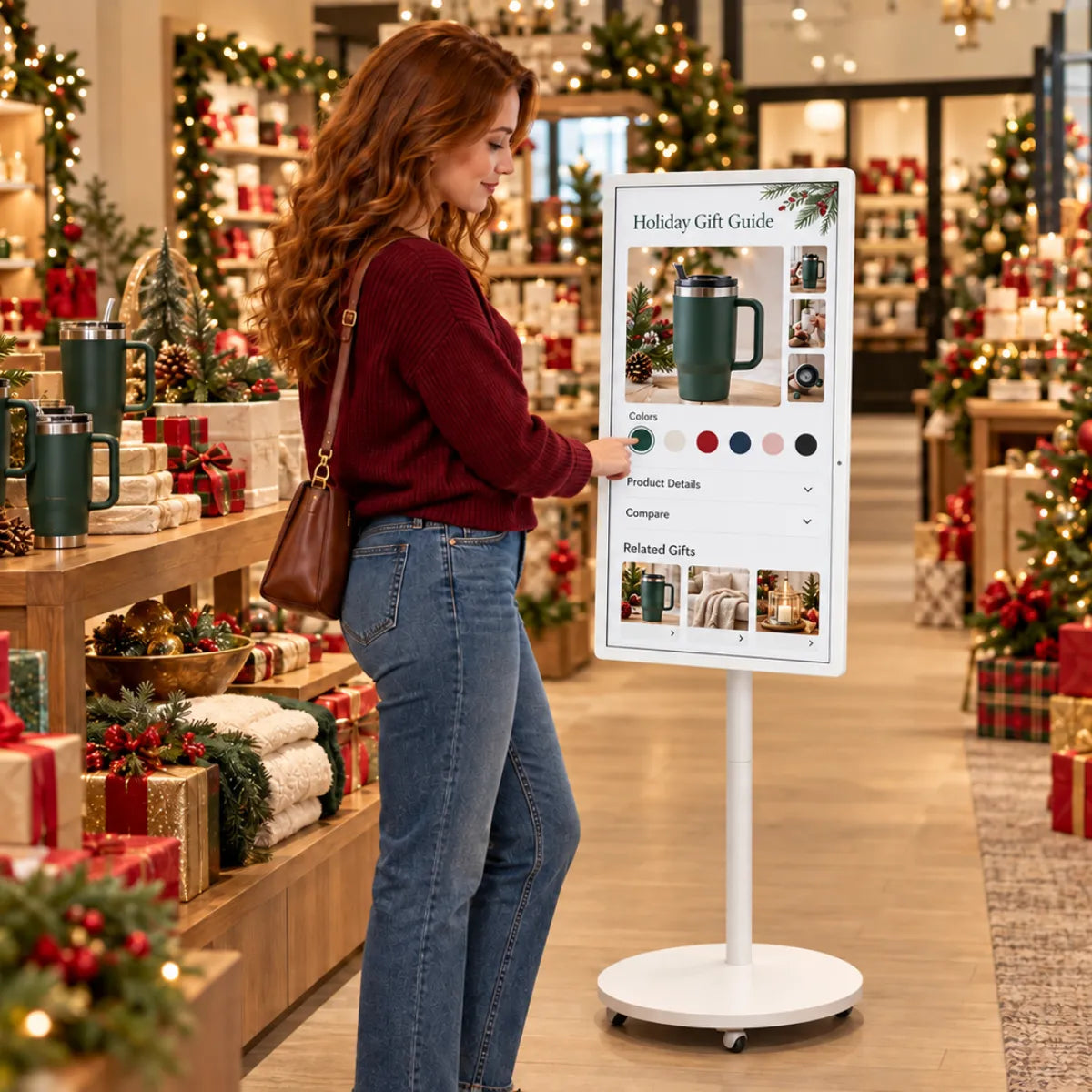
The growth of AI and battery tech makes this a very solid investment. You can offer a product that really solves the problem of old, fixed TVs. Small shops can use these screens to show ads to their customers. Schools can move them between rooms to help students learn better together. The potential uses for a portable TV on wheels are truly endless now. Do not miss your chance to be part of this huge global change. High-quality hardware like the GFF S1 is the perfect place to start.

Conclusion
The year 2027 will bring many amazing changes to our home lives. Mobile smart screens will soon be at the centre of every modern home. We will see folding screens, smart AI, and long-lasting new batteries. Technology will finally be both innovative and easy to move around. These trends show a future where we are no longer tied to one spot.
We can enjoy the best videos and games anywhere we want to go. The GFF S1 is already leading the way into this new digital era. Join the movement and enjoy the freedom of a cordless life. The future of home fun is rolling toward us right now.