
Table of Contents
For many years, people have lived in houses where a large television was the focal point, so to speak: a dominant display on a wall, and a room decorated around improper and uncomfortable arrangements to compensate for its presence. Well, those days are long gone, and the age of flexible spaces is becoming the heart of 2026 Home Trends.
Today’s homeowners desire movement, personalization, and interior spaces that change with the rhythms of their lives. Forget about the interior spaces that started with a single screen. Welcome to the portable TV, an object that harmoniously marries technological and design innovation without compromising your interior space. In this article, we’ll show how modern home design trends are being reimagined, freeing walls for creativity and functionality again.
Why Fixed‑Wall Design No Longer Fits Modern Homes
Life Is No Longer Room‑Based
The time for single-purpose rooms has come to an end. Contemporary routines now require flow across different spaces of the house, which makes flexible home design a necessity. Fixed TVs force your furniture into a rigid layout, limiting both your comfort and freedom. A few conventional room setups that might feel outdated include:
- Living spaces that are used for multiple purposes— lounging, working, and entertaining.
- Rooms must accommodate short-term activities like video calls, workouts, or craft projects.
- Fixed screens dictate furniture placement, restricting personalization and adaptability.
Designers are now focusing on layouts that support freedom in movement and reconfiguration. Multi-functional flex rooms are increasingly common, giving homeowners the freedom to repurpose their space as their needs change.
Content Has Become Shorter and More Mobile
Media consumption patterns have changed significantly. People want shorter, on-demand TV viewing rather than longer viewing periods after a scheduled time. This fuels the need for a portable TV, which can act as a wall-mounted TV alternative. For example:
- Short-form, on-demand videos now dominate over traditional TV shows.
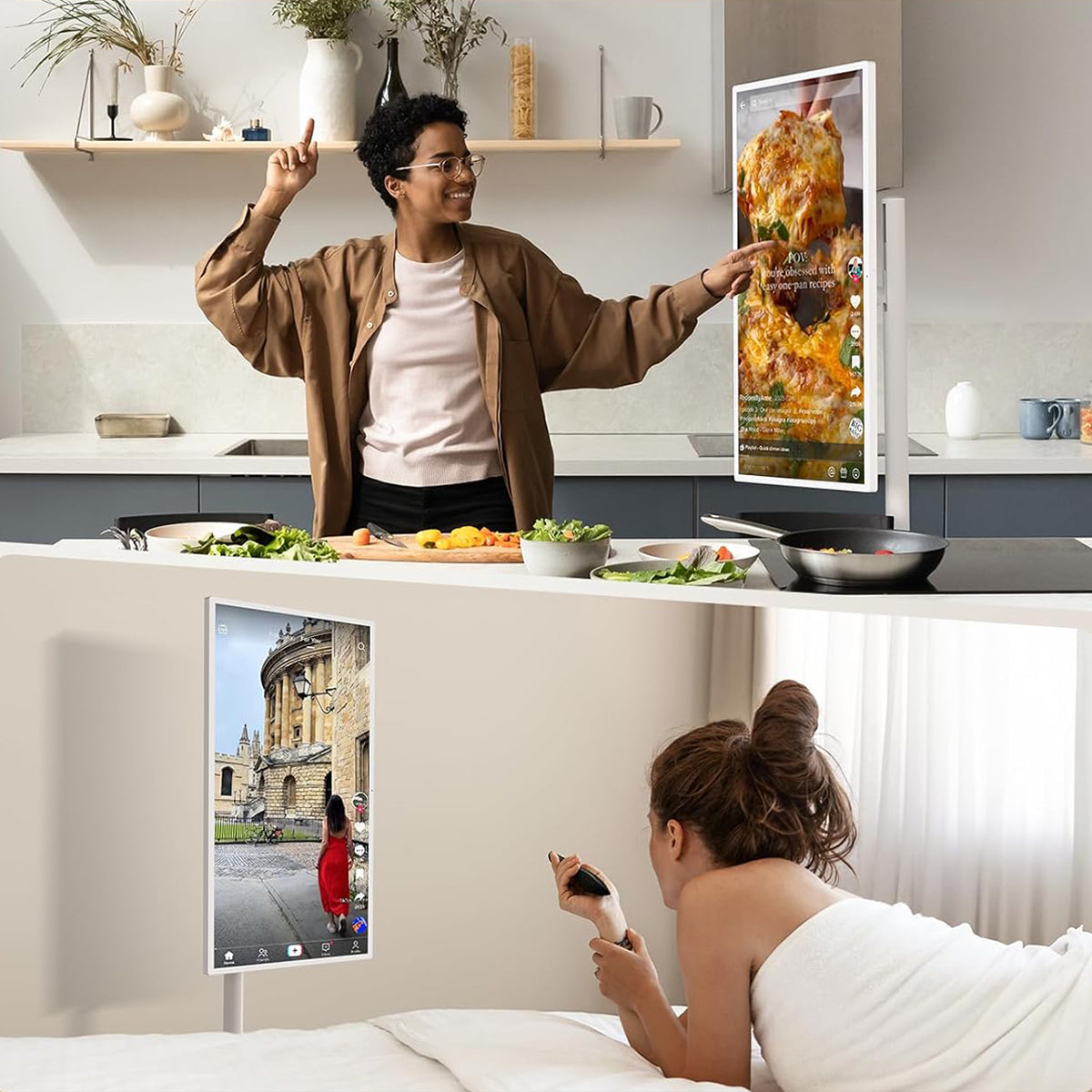
- Screens are used alongside other activities — cooking, exercising, learning, or home office tasks.
- Mobile technology can be used to move the screen in accordance with the user, rather than fixedly placing the furniture.
Additionally, with the flexibility these devices offer, you can easily integrate them into your life, moving displays between the kitchen, the living room, and a home office.
Homes Are Smaller, Smarter, and More Flexible
Urban living and shrinking floor plans have completely changed how interior design works. In a small space, permanent TV walls take up valuable square footage that could serve other purposes. For instance:
- Multipurpose layouts allow rooms to support work, leisure, or social activities.
- Portable displays free walls for decor, shelving, or creative zones.
- Home design trends favor furniture and technology that adapt to evolving needs.
This approach helps smaller homes with advanced technology by making their indoor spaces appear more spacious, organized, and practical. Homeowners these days use adaptive home design to reclaim their interior walls while building spaces that evolve with their changing life patterns.
From Fixed Walls to Flexible Spaces
When Homes Were Designed Around Walls
The modern home design, for years, has relied on a television as the centerpiece of its living rooms. A big wall‑mounted TV often plays a dictating role in where sofas, chairs, and coffee tables are placed.
The result was a static interior to which furniture placement became nearly predetermined with screen placement, offering little room for creative or flexible thinking. A fixed screen on the wall reduces the area available for art, plants, or functional features that can carry personal style and daily needs. Even with efforts toward more contemporary, open‑concept interiors, the need for a maintained viewing angle often led to constrained designs that constrained rooms into how they could be shaped or used.
As a result, many homes began to feel less adaptive and much more programmed around what was effectively a single piece of technology-a setup that is increasingly out of step with evolving lifestyles and tastes.

Homes Designed Around Movement
The contemporary interior spaces are leaning towards living-focused designs rather than accommodating screen placements. The movement-based design approach allows for an organic flow from activities such as cooking, working, socializing, and other forms of relaxation.
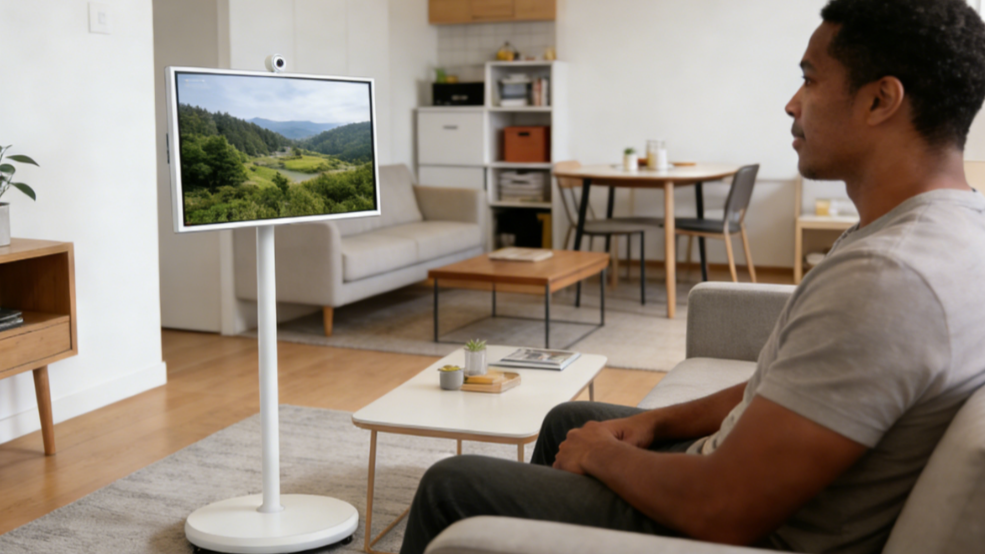
This evolution translates to the increasing popularity of a portable TV, a different remedy from conventional home screens that may be adjusted where needed rather than stuck against a wall. By embracing flexible home designs, a homeowner can create a life that suits them rather than one suited to a traditional home setting.
Furniture arrangements become more fluid, and rooms take on multiple roles without the need for permanent anchors. Instead of spaces being forced to revolve around screens, this theory reverses the trend, giving rise to spaces where aesthetics and functionality coexist.
How Portable Screens Follow Daily Life in 2026 Homes
Morning — Shared Spaces and Light Viewing
The current home designs have already established an open layout that incorporates their kitchen areas with the living room areas. A homeowner buys a portable television set that allows them to enjoy their shows throughout the home, as it features an installation-free core. The current home design requires the homeowner to keep their home empty as the rooms have been multipurpose. The display can be adjusted to the individual, as the room does not affect the screen's display.
Daytime — Hybrid Work, Learning, and Flexibility
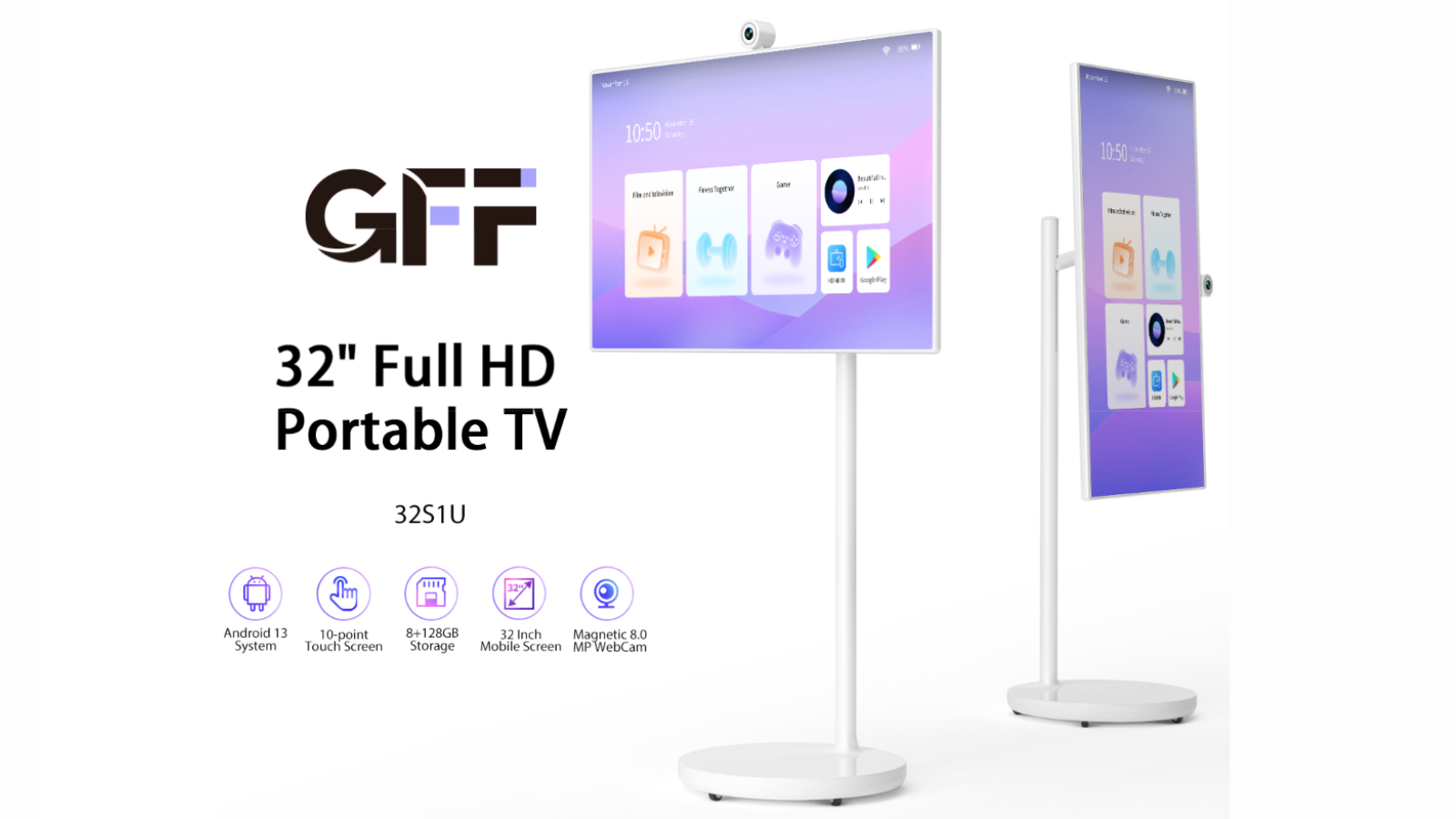
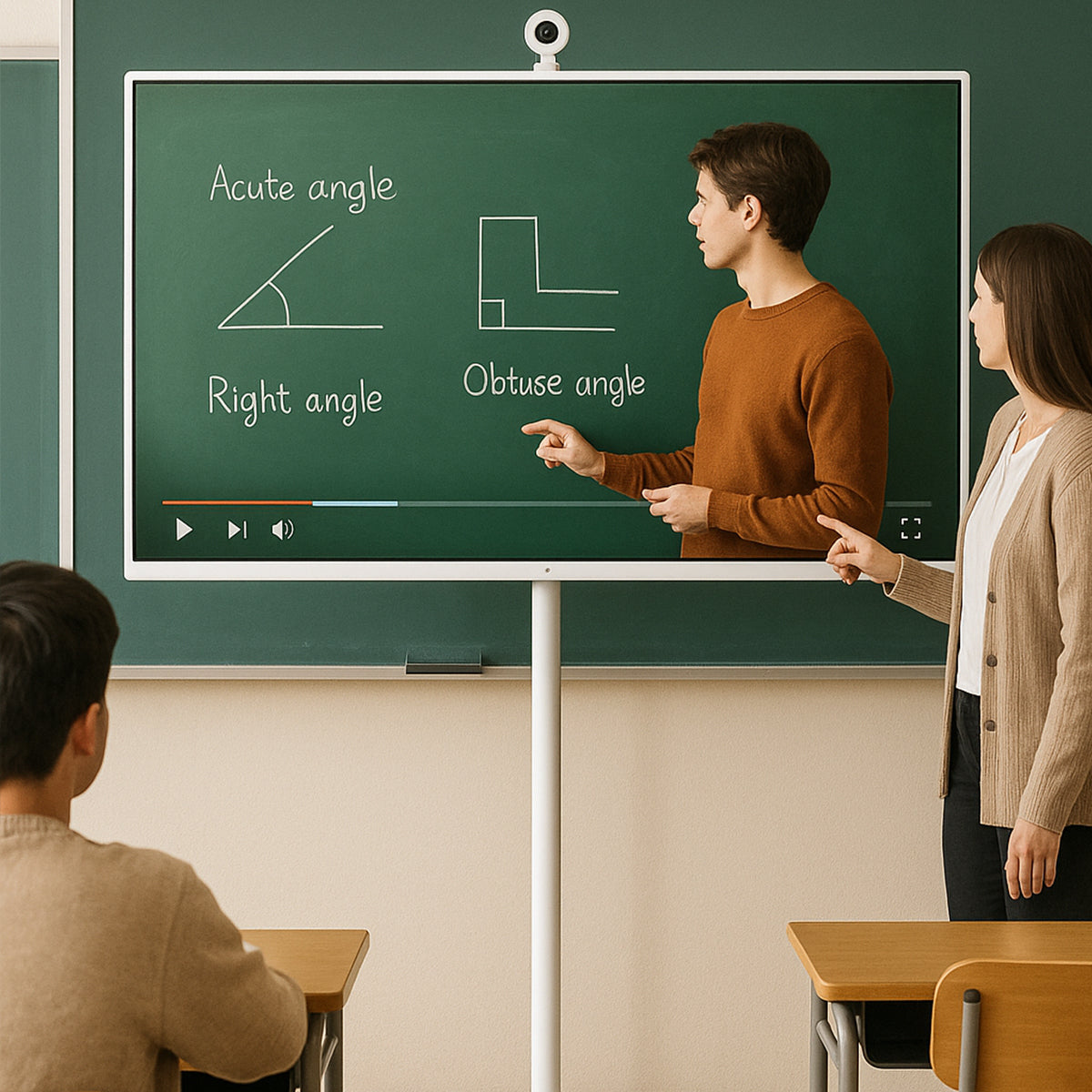
Where the home is also the workspace and the classroom, the screen must also follow the user’s activity. This is why portable screen technologies such as the GFF S1 Smart Touch Screen 32” are also necessary.
Its compactness makes it suitable for hybrid working, online education, or multitasking scenarios, functioning as a dynamic alternative to wall-hung TVs while suiting the aesthetic of modern spaces.
Evening — Personal Viewing Without Room Commitment
Evenings are normally devoted to individual entertainment. It makes individualized viewing easy without interfering with the flow of your own home. One can relax in any room, such as the lounge or bedroom, and enjoy an individualized screen that suits their mood.
Such an approach is also in concert with the emerging trends in home design, whereby technology is an adjunct to life, as opposed to technology defining life. Families do not have to change their schedules to accommodate a screen anymore, as flexibility is now the center of the design philosophy.
Weekends — Spaces That Reconfigure
People need flexible space designs for their weekend activities because they spend time with friends and practice their hobbies, and they work with their families on various projects. The portable TV system allows users to transform their space from a living room into a mini theater, a workout studio, or a study area.
The first design principle of contemporary home design controls home construction, which employs technology to support active lifestyles while creating flexible spaces that extend throughout the residence. The system enables users to adapt their indoor environments through adaptable design, creating active spaces that meet their needs at different times of day.
How Home Design Is Adapting to Movable Screens
Power, Placement, and Natural Flow
- Charging stations reduce the need for permanent wiring, resulting in less clutter.
- Mobile screens help make cleaner, more balanced layouts.
- Technology is part of modern home design without breaking the harmony.
- Portable pieces serve as a practical compromise of a wall-mounted TV without the device dominating the room.
- Workflow at home is natural and continuous.
Furniture Layouts Are No Longer TV-Centered
- Seating arranged for conversation and interaction, not fixed viewing angles
- Modular furniture supports flexible home design
- Portable TV moves to match activities, freeing walls and floors
- Rooms become multifunctional spaces rather than TV-centered zones
- Interiors adapt to lifestyle, not technology
From TV Walls to Screen-Ready Spaces
- Walls reclaimed for art, shelving, and plants instead of permanent screens
- Homes designed to accommodate screens without dedicated walls
- Growing preference for wall-mounted TV alternatives in flexible interiors
- Encourages design creativity while maintaining tech access
- Reflects ongoing home design trends focused on mobility and flow
What This Shift Means for Modern Living
Homes That Adapt to People
Architectural design of modern residential buildings reflects actual human behavior patterns instead of screen display locations. The design of these areas focuses on providing comfortable spaces that people can access while experiencing natural movement through the space.
The design of this home implementation centers around human needs, which design teams use to create spaces that feel both natural and practical and flexible for different uses.
Minimal Clutter, Maximum Flexibility
Open spaces are usually cleaner because there are no permanent installations that clutter the space, and designers can utilize them to create specific interior layouts.
The inclusion of portable TV in home entertainment systems is a great way for modern home design to achieve the perfect harmony of technology and decorative elements without sacrificing the versatility of room design. House designs allow them to smoothly change from work mode to leisure mode through their open living spaces, which allow for various functions without a feeling of being boxed in.
Designing Homes for The Future
Interior design is moving toward long-term adaptability. Portable displays and wall-mounted TV alternatives are becoming standard considerations, allowing homes to remain future-proof while keeping spaces flexible. By embracing this shift, homeowners create interiors that evolve alongside lifestyle changes, guaranteeing longevity, functionality, and style.
Conclusion — When Screens Finally Learn to Move With You
Fixed screens no longer constrain modern homes, and because of portable TVs in home design, walls have now been touted as creative uses, and flexibility has become the norm in home development. Thus, for spaces forged for motion and everyday living, portable displays are a future-ready, smarter solution. Want to feel at home as it genuinely moves with you? Visit GFF and get a Quote today!