

Table of Contents
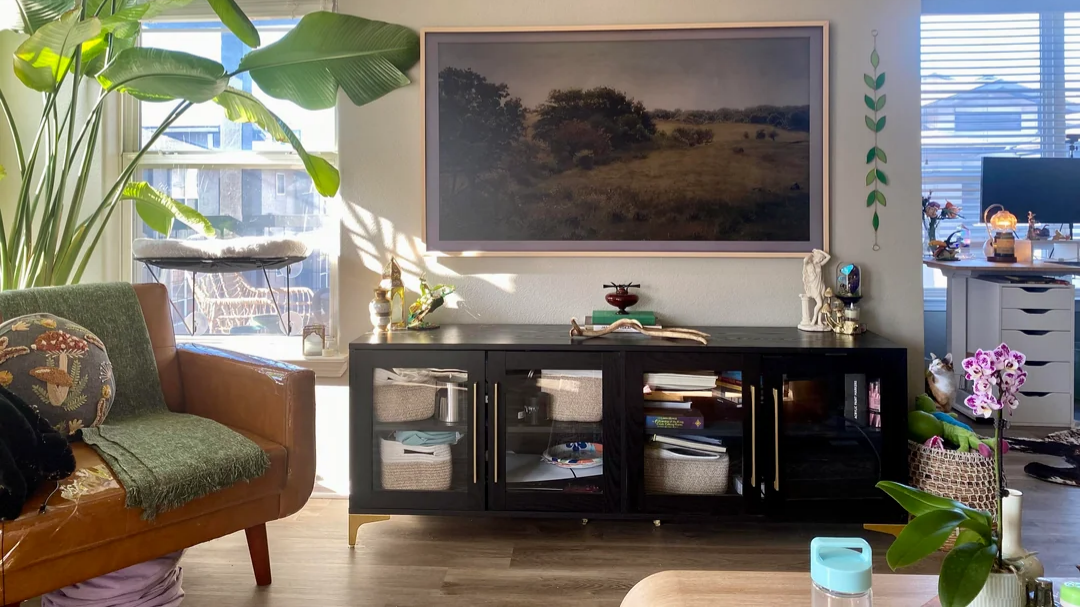
Walk through most homes today and count the screens. One in the living room. One in the bedroom. Maybe a smaller one in the kitchen. Each was bought to solve a problem at the time, and each now sits mostly unused outside its one room.
That pattern made sense when homes had fixed-purpose rooms. The living room was for watching, the bedroom for sleeping, and the kitchen for cooking. That structure has quietly broken down. People take work calls from the dining table and stream workouts in the bedroom. The rooms changed roles. The screens did not.
Which raises a fair question: do modern families really need more screens, or simply more flexible ones?
Do Modern Families Need More Screens, or More Flexible Ones?
The instinct when a household needs a screen somewhere new is usually to buy another one. Over a few years, this adds up to four or five screens, most used an hour a day, if that.
The actual problem is rarely a shortage of screens. It is that each one is stuck in a single room. A TV bolted to a living room wall cannot help with a workout in the bedroom. Multiple screens exist mainly because none of them can move.
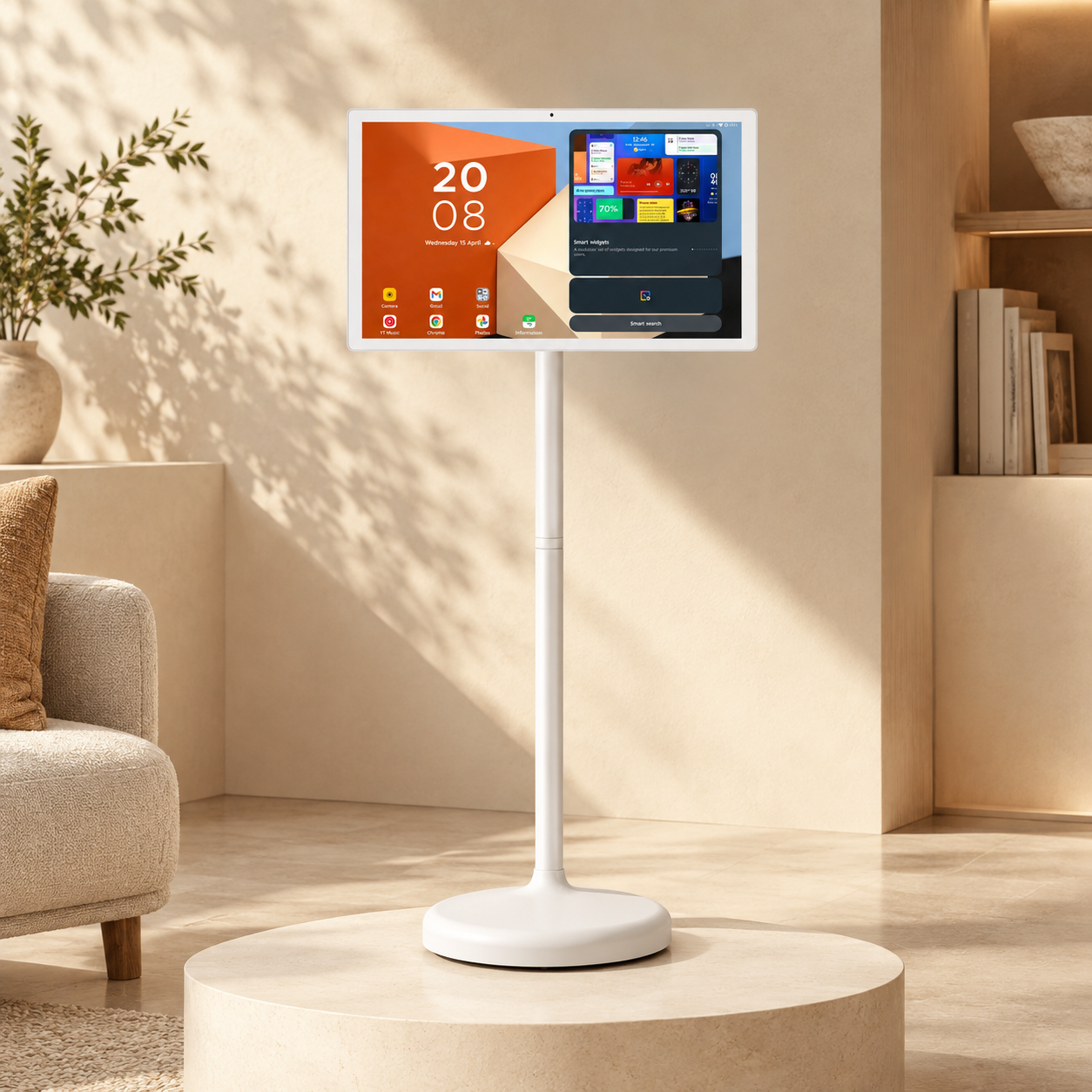
A portable smart screen flips this. One mobile smart screen follows the activity instead. It works in the kitchen during dinner, rolls to the bedroom for a workout video, and ends up by the dining table for an evening show, without four separate purchases or four separate cords.

Is One Screen Enough for a Family?
This is the part that understandably makes people hesitate. A household with kids, partners, and different schedules sounds like it needs more screens, not fewer.
In practice, most households use one main screen for shared viewing at a time anyway, even with multiple TVs in the house, since movie night still happens in one room. What people actually miss is flexibility: a screen that shows up wherever the moment calls for it, instead of being limited to whichever room already has a TV.
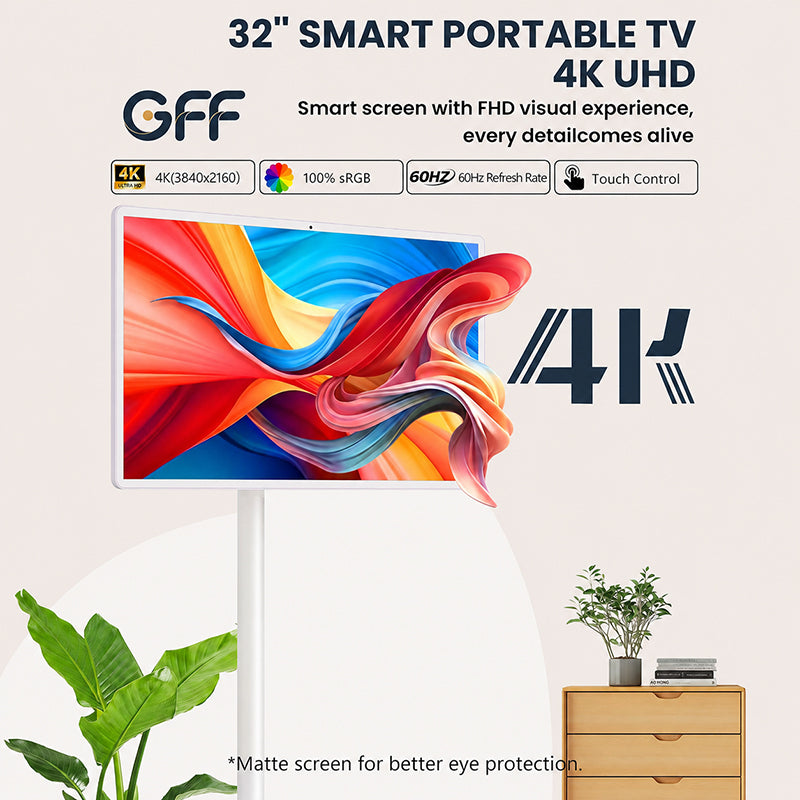
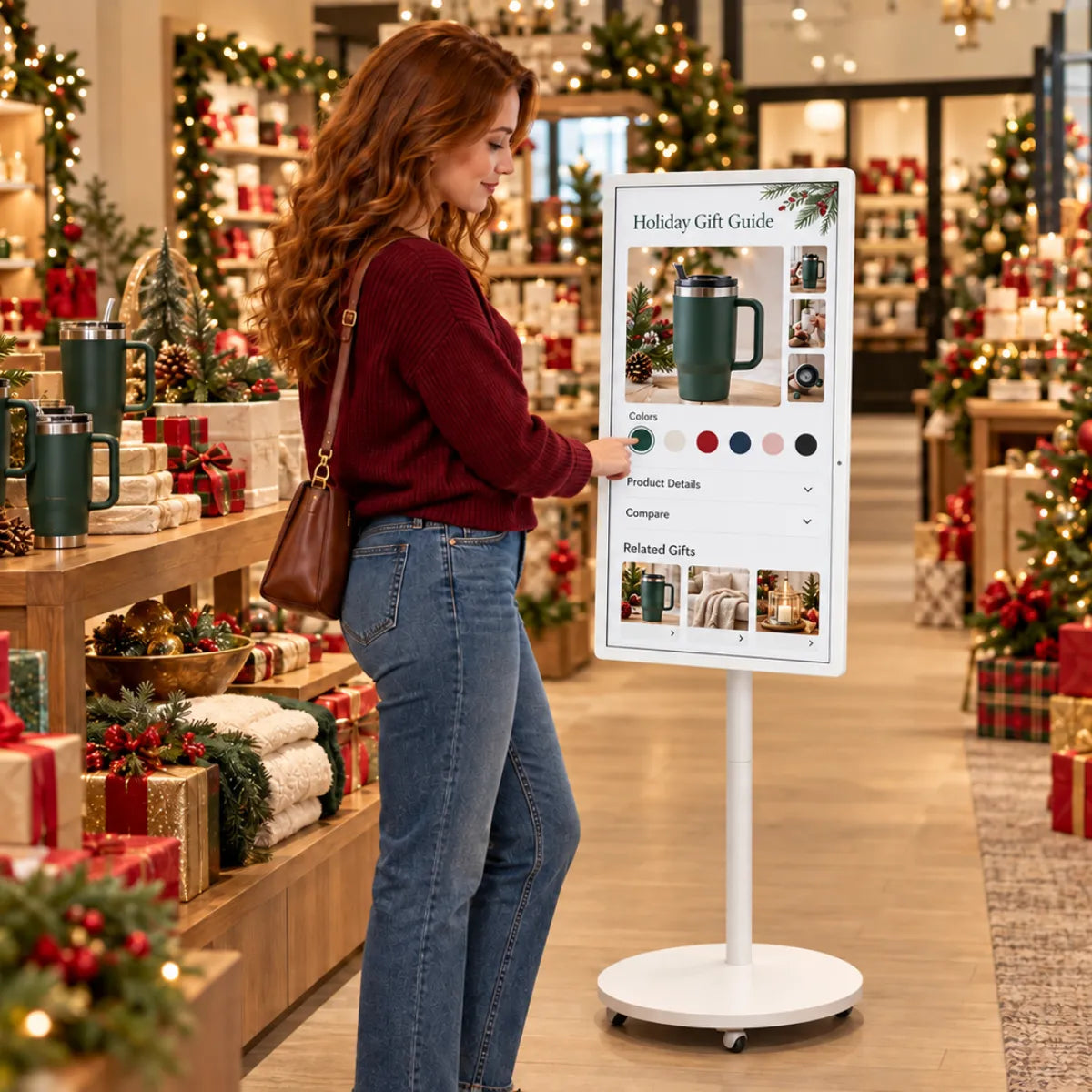
A portable TV on wheels answers this directly. GFF AI's S1-32 Pro runs on Android with a 32-inch Full HD touchscreen, an 8,000mAh battery good for 3 to 5 hours of cordless use, and a rollable stand on 5 quiet wheels that tilts, lifts, swivels, and pivots to fit almost any seat or sightline.
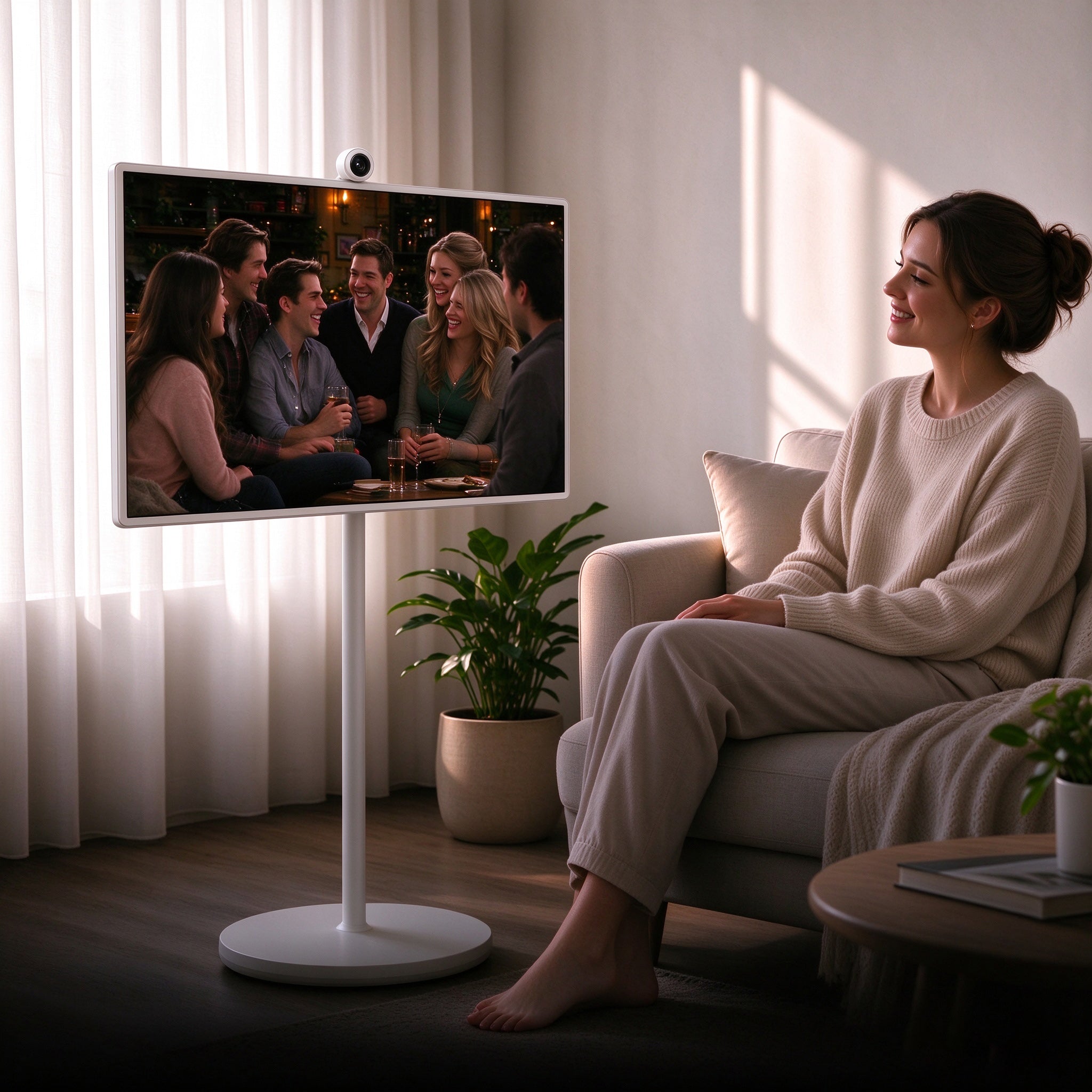
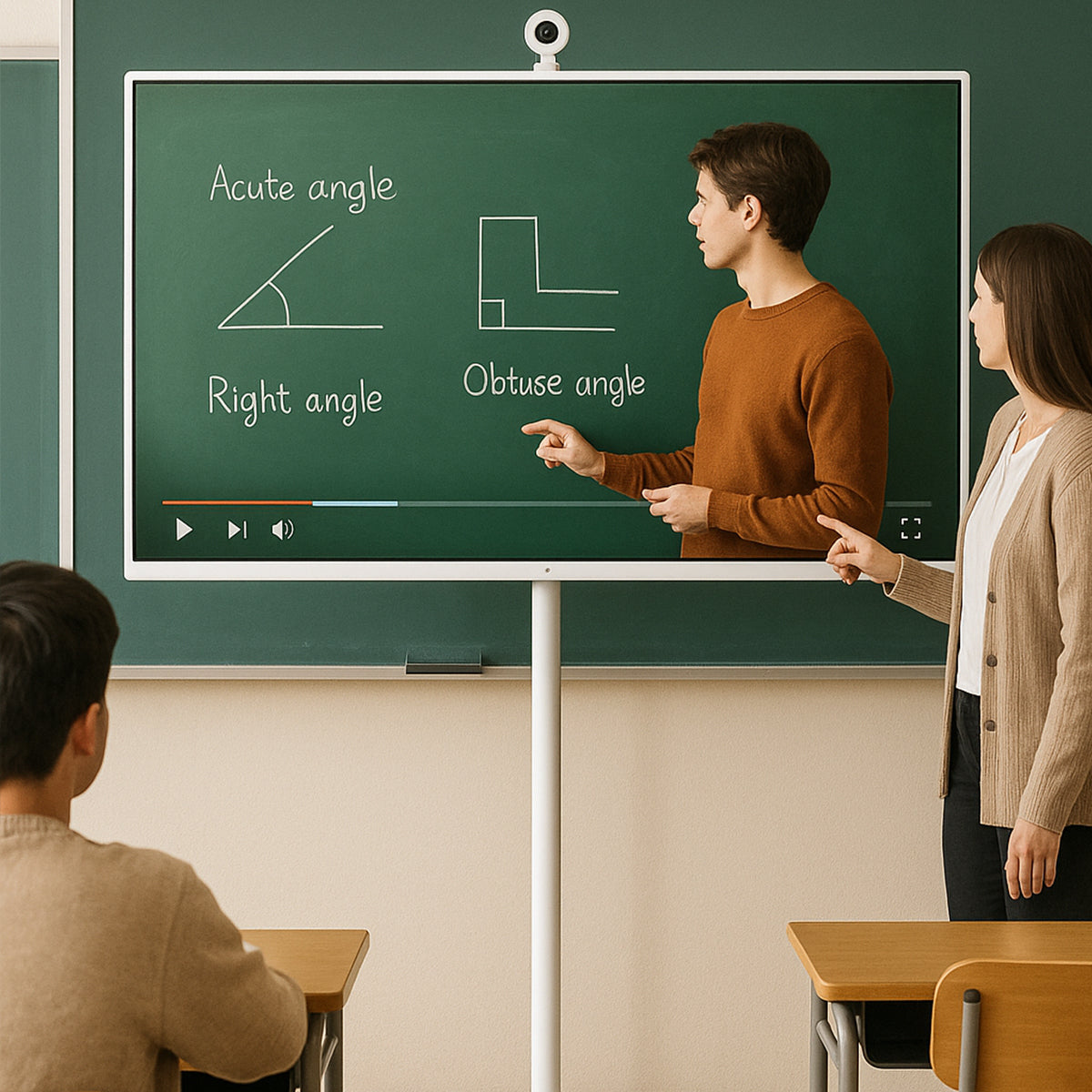
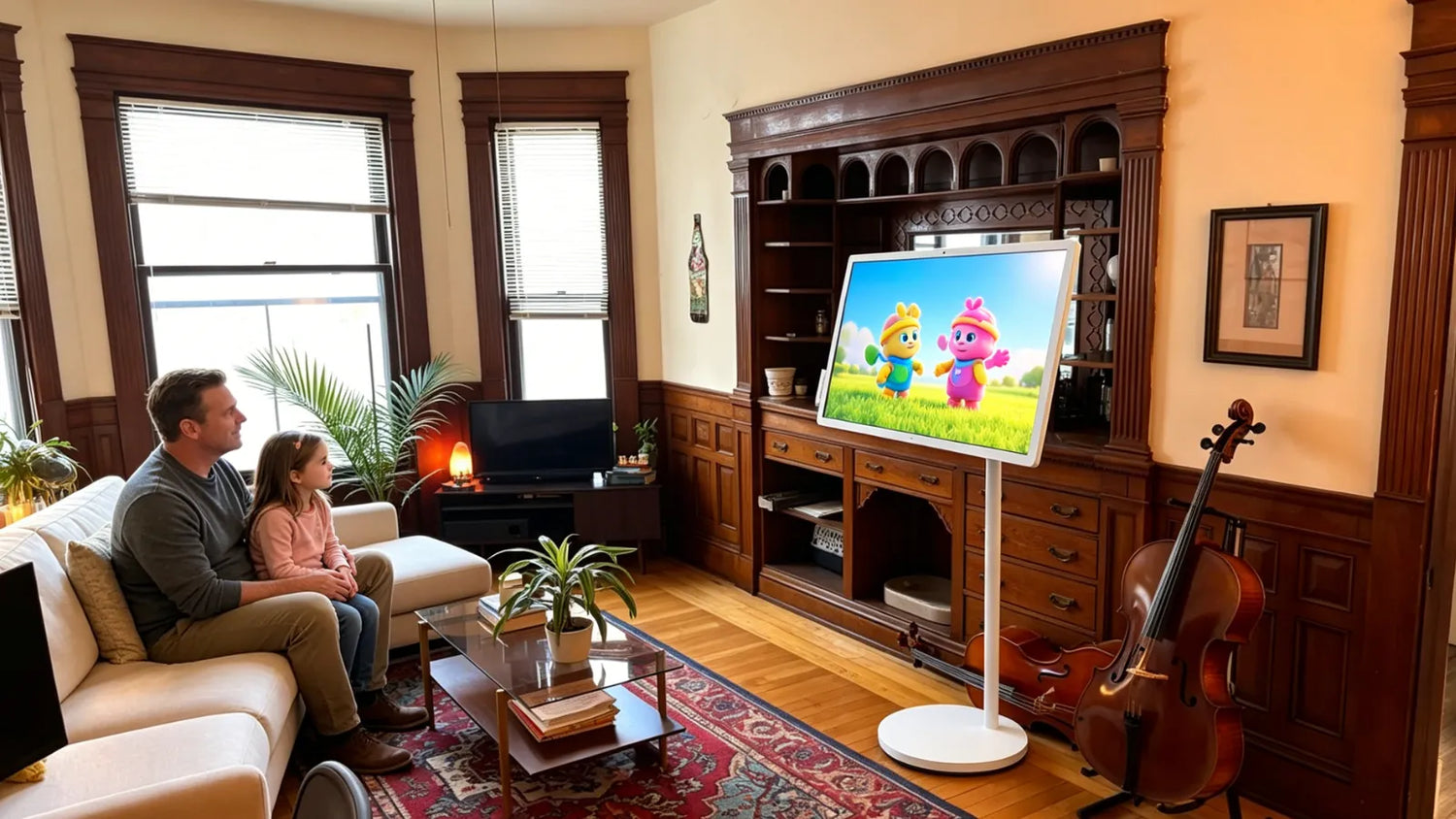
It also pairs with an external 2K HD camera for video calls, so it is not locked to one wall, one outlet, or one fixed angle. One household can use the same screen for a child's morning cartoons, a parent's afternoon video call, and the family's movie night later, instead of three separate televisions doing three mostly idle jobs.

A Day in a One-Screen Home
It helps to see what this actually looks like across a single day.
- Morning: the screen sits in the kitchen, playing the news or a podcast while breakfast is made
- Midday: it rolls to the home office corner, working as a second display for a video call
- Afternoon: it moves to the bedroom for a workout video, propped at the right height and angle
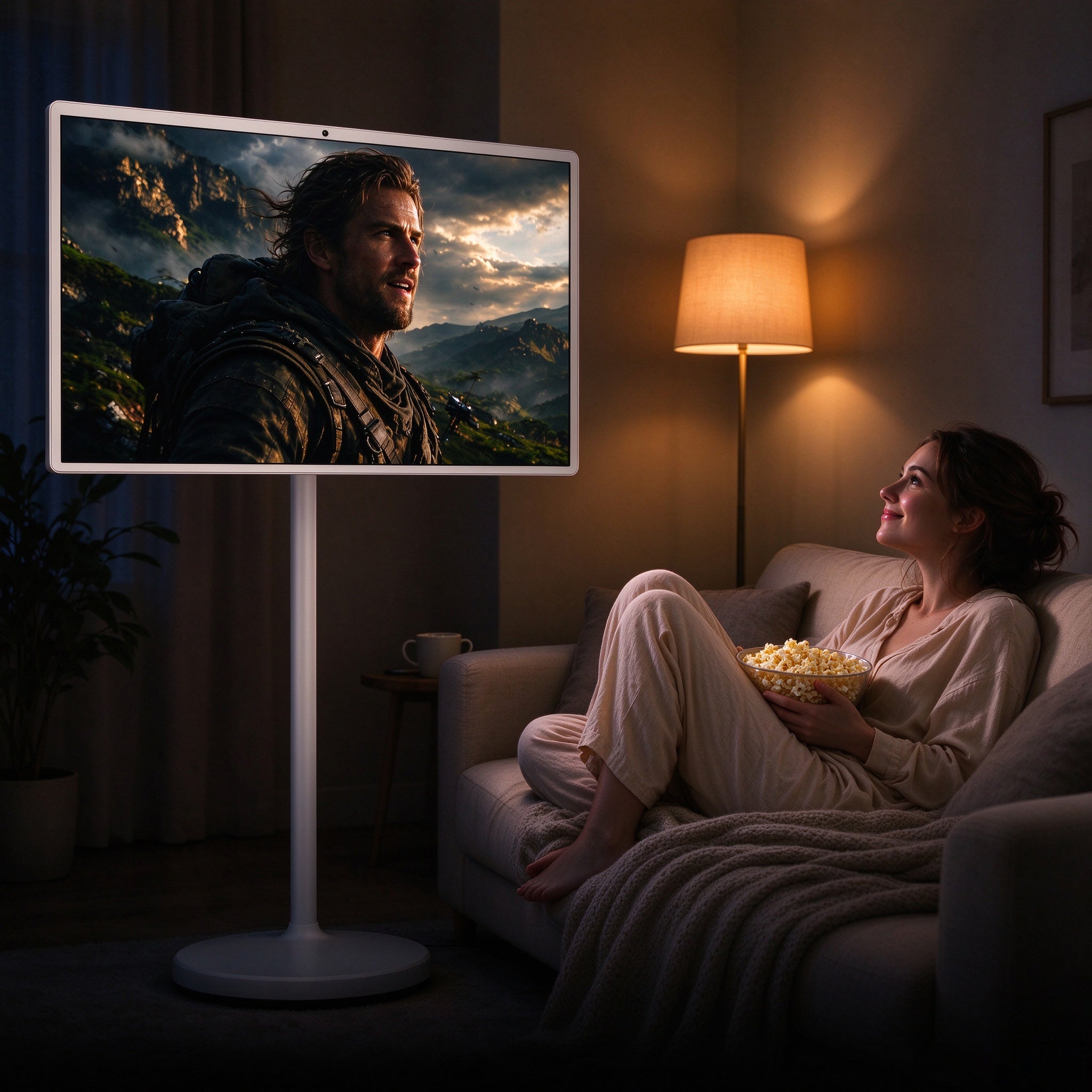
- Evening: it ends up by the dining table or sofa for a shared movie with the rest of the household
None of this requires four different devices. It requires one screen willing to change rooms as often as the people living there do. That is the practical heart of apartment TV ideas built around flexibility rather than square footage.
One Screen vs Multiple TVs
Set side by side, the difference is less about technology and more about daily use.
A traditional multi-TV household usually means:
- Three or four separate screens, most idle for most of the day
- Each screen fixed to one room and one function
- Higher upfront cost across multiple purchases, cables, and mounts
- Wasted space on wall mounts and furniture built just to hold a screen
A one-screen home built around a mobile display usually means:
- One screen that moves to wherever it is needed that day
- No fixed installation, no wall mount, no dedicated furniture
- Lower total cost compared to buying several separate televisions
- A genuinely flexible layout, since no room is permanently defined by a screen
This is less about whether one screen can technically replace several. It clearly can. It is about whether a household wants the flexibility that comes with it, which tends to matter more in apartments and minimalist layouts where every fixed object takes up real, noticeable space.
Frequently Asked Questions
1. Is one TV really enough for a family?
For most households, yes, especially when that screen is portable rather than fixed. The need was rarely for several screens running at once, but for one available wherever the activity moved.
2. What is the best portable TV for families with different needs?
A model that handles more than one job works best. The GFF AI S1-32 Pro covers entertainment, video calls, and light productivity through Android support, wireless casting, and an external 2K HD camera that plugs in for calls and streaming.
3. Is a rolling TV a good fit for a small apartment?
Often a better fit than a wall-mounted one, since it avoids drilling into a wall or committing a room to one function, both valuable in a smaller, flexible layout.
4. What is the best TV solution for small homes overall?
A single, mobile screen tends to outperform several small fixed ones, avoiding the wasted space and idle screen time that come with multiple TVs.
5. Does switching to one screen mean giving up convenience?
Not in practice. Convenience shifts from a screen in every room to one screen available in whichever room is being used, a trade that works in most households' favor.
The Bottom Line
Modern homes do not need more screens scattered across more rooms. They need one screen flexible enough to follow how the home is used, since work, rest, and family time no longer stay inside the rooms originally built for them.
A portable smart screen replaces the old model of one fixed TV per room with something that adapts to the day instead. Less hardware, less wasted space, and a layout that matches how people actually move through their home.
To see how a flexible setup works in practice, explore the GFF AI S1-32 Pro portable TV on wheels and consider what a one-screen home could look like in yours.