



Table of Contents
Television no longer is a thick box in the living room but a smooth, ultra-thin panel in all corners of our houses. Have you ever wondered how we got from flickering screens to vibrant images? You are in the correct place to know that.
The article examines the history of TV display technology, including advances, the types of panels, and the latest improvements that have transformed the viewing experience.
We will also give you a sneak preview of future trends of 2026 and how this could transform the way you watch. Understanding these advances isn’t just fun; it can help you make smarter decisions when buying your next TV.
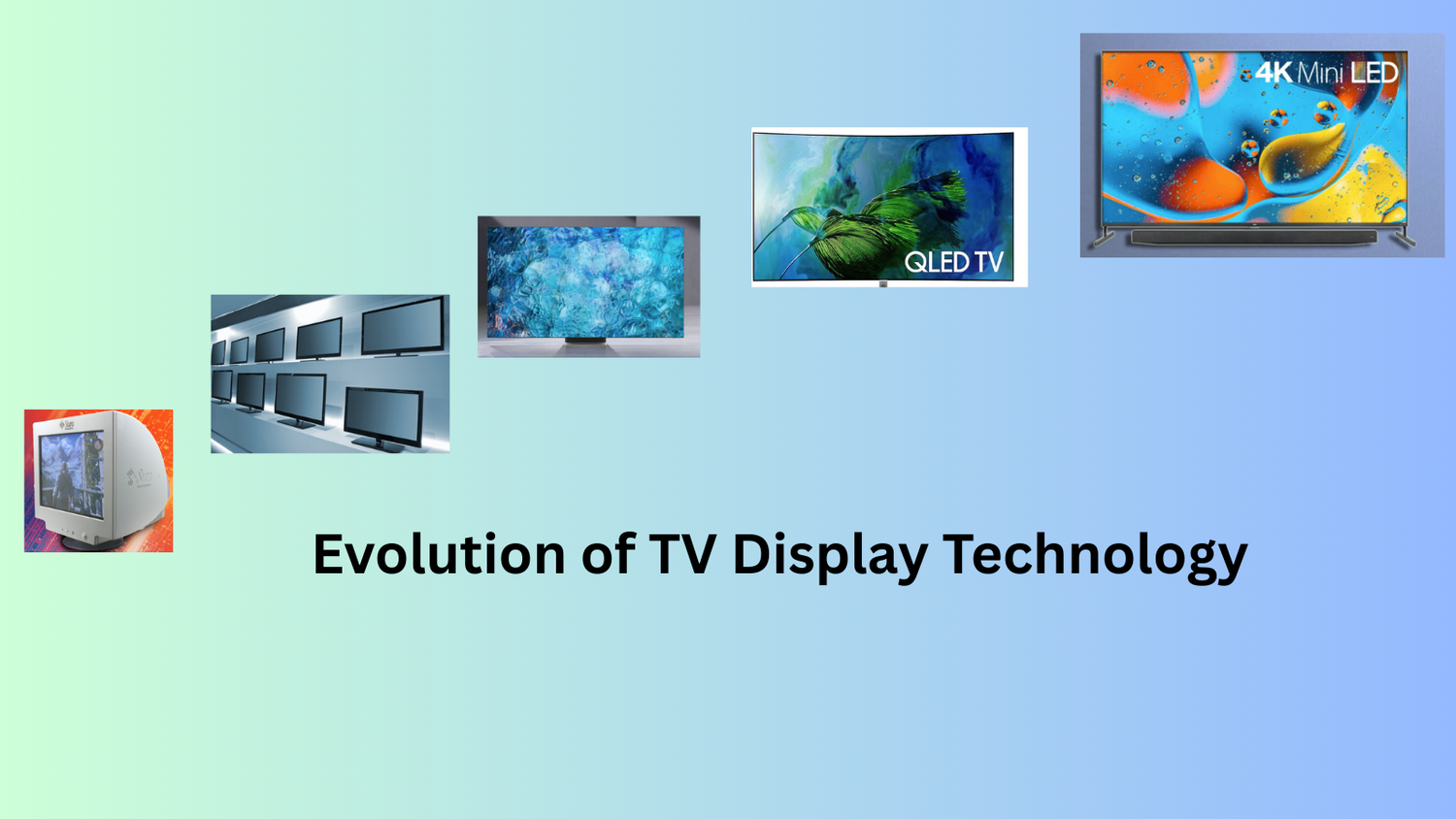
1950s–2000s: CRT Display Monitor
CRT (Cathode Ray Tube) displays were the first televisions we can recall. These screens were the rulers of the market since the 1950s up to the early 2000s. The CRTs were revolutionary in how they produced images, using electron beams to illuminate phosphor dots on the inside of the screen.
CRTs had their downside, even though they provided relatively sharp images. Screens were thick, deep, and hard to carry. The resolution was not so great, and the color accuracy was very different, depending on the device. The refresh rates of these TVs were also low, which meant that movement in fast action scenes could not be seen clearly.
Worldwide sales of CRT computer monitors peaked around 2000 at approximately 90 million units annually. CRT television sales reached their global peak in 2005 with about 130 million units sold, after which they declined sharply to around 90 million units by 2009, mostly in Asia and Latin America.
CRTs, with all their flaws, played a significant role in the development of early television standards and consumer expectations. They introduced the flat-panel technology and taught manufacturers some important lessons concerning picture quality, durability, and user experience.
By the late 1990s, CRTs started to be replaced by light and energy-efficient displays, which led to the LCD revolution.
The Revolution of LCD Displays (1990s–Present)
LCD (Liquid Crystal Display) technology was a great breakthrough. LCDs use liquid crystals to control light, enabling lighter, thinner panels instead of bulky tubes. LCDs were initially not so bright and lacked color reproduction, though with the introduction of LED backlighting, many problems were resolved.

Birth to Rise of LED Backlighting
LED-backlit LCDs enhanced contrast, improved energy efficiency, and allowed for slimmer designs. These TVs became widely popular for both home and portable setups, offering sharper images and more vibrant colors than CRTs ever could. Today, LCD remains the main technology for portable TVs, thanks to its adaptability, low power consumption, and durability. You can read more about this in our previous article on why we use LCD.
Why LCD is Still Popular
Despite the rise of OLED and QLED, LCD continues to dominate for several reasons:
- Cost-Effectiveness: Affordable production makes LCDs accessible to a wide range of consumers.
- Versatility: LCD panels come in various sizes, resolutions, and brightness levels.
- Portability: Lightweight designs are ideal for mobile setups and compact spaces.
With the development of LED backlighting technology into Mini-LED and edge-lit panels, the LCD TVs became competitive, providing almost OLED color quality at a lower cost.
IPS vs. VA vs. TN Panels: What’s the Difference?
Not all LCDs are created equal. Understanding IPS, VA, and TN panel technologies helps you choose the best TV for your needs.
- IPS (In-Plane Switching): IPS panels have been known to have wide viewing angles as well as high color reproduction, which makes them suitable for group viewing or any other areas where the TV is viewed from many different angles. People often search for “what is IPS” or “IPS monitor” when considering this panel type.
- VA (Vertical Alignment): Provides high contrast ratios, making blacks darker and brighter. Yet, the viewing angles are also narrower than those of IPS. VA screens are ideal in dim rooms and in theaters.
- TN (Twisted Nematic): Known for faster refresh rates and low response times, TN panels are popular in gaming monitors. They compromise on color accuracy and viewing angles but deliver smooth motion for fast-paced content.
The selection of the appropriate panel depends on where you plan to place your TV, the number of people who will watch it at the same time, and the type of content you are interested in.
The Emergence of OLED (2010s–Present)
OLED (Organic Light-Emitting Diode) displays represented a major leap in picture quality and contrast. Unlike LCDs, OLEDs emit light from each pixel individually, enabling perfect blacks and infinite contrast ratios.
Key advantages of OLED include:
- Ultra-thin panels with flexible designs
- Superior color accuracy
- Wide viewing angles
- Fast response times make them excellent for gaming.
However, OLEDs are not perfect. The device's operation may also be short-lived due to burn-in of non-moving images and sensitivity to heat, especially in bright, sunny areas. When used indoors, OLED is inevitable, but when one wants to use it outdoors or in a mobile system, LCD and QLED still have the upper hand due to their durability and brightness.
QLED and Mini-LED: The Advanced LCD Era
While OLED grabbed headlines, QLED and Mini-LED technologies pushed LCDs into a new era.
- QLED (Quantum Dot LED): It involves the use of quantum dots that increase the brightness and color gamut. QLED screens can compete with OLEDs in color richness and, at the same time, deliver high brightness and can be used in brightly lit rooms.
- Mini-LED: Divides the backlight into thousands of small LEDs, allowing precise local dimming for better contrast and less haloing compared to traditional LED LCDs.
The innovations have made LCD-based televisions more competitive than ever with near-OLED quality and extra durability and brightness levels appropriate in sunny environments.
High Refresh Rates, Wide Color Gamuts, and HDR
Modern TVs aren’t just about pixels; they are about motion, color, and realism. High refresh rates, wide color gamuts (WCG), and HDR (High Dynamic Range) are now standard features that elevate viewing experiences.
- High Refresh Rates: Smooth motion for sports, action films, and gaming. 120Hz and above is increasingly common.
- Wide Color Gamut (WCG): Displays more shades of color, making images look lifelike. For a deeper dive into color accuracy, see this resource from GFF on why sRGB 100 matters.
- HDR: Improves contrast and brightness, highlighting subtle details in both dark and bright areas.
These features, combined with modern panel technologies, make contemporary TVs capable of delivering cinematic experiences in the living room or portable outdoor setups.
Future Trends in 2026 and Beyond
TV display technology will continue to improve with further AI integration, brighter OLED displays of over 2,000 nits through Micro Lens Array (MLA), and smarter Mini-LEDs with more dimming zones to create OLED-like blacks. 8K content will also be introduced with AI-enhanced upscaling of sports and games, 240Hz, and sub-5ms input lag on mid-tier models.
- AI-Enhanced Displays: Deeper integration for real-time scene analysis, emotion detection, adaptive audio, and content recommendations, boosting smart TV adoption.
- VR/AR Integration: Micro-OLED at over 3,000 PPI for VR and MicroLED up to 20,000 nits for AR, with 85% market penetration by 2030 via AI overlays.
- Ultra-Wide Color Gamuts: QD-OLED advancements for wider gamuts, reduced retention, and over 2,000 nits brightness via Micro Lens Array in high-end models.
- Ultra-Low Power Displays: Sustainable panels with recycled materials, modular designs, and efficient backlights for portable and eco-friendly use
These trends indicate that TVs will become smarter, more versatile, and integrated seamlessly into daily life, whether indoors or outdoors.
The Final Note
With advances in television technology, knowing the differences between CRT, LCD, OLED, and more sophisticated panel types, such as QLED or Mini-LED, can improve your viewing experience. There is no best display innovation, depending on your priorities in color accuracy, brightness, durability, or portability, each innovation has distinct benefits that will fit any requirements and lifestyle.
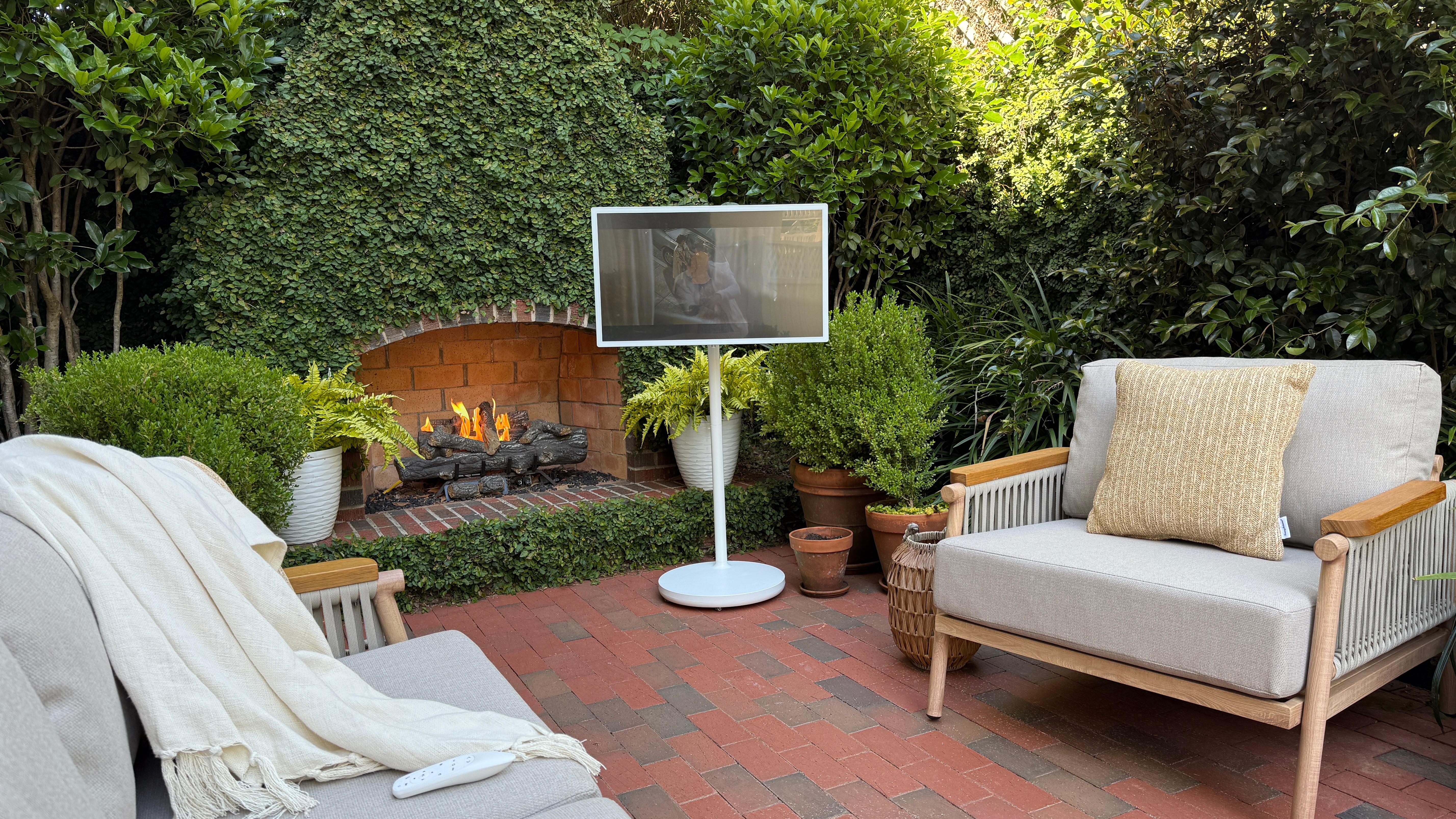
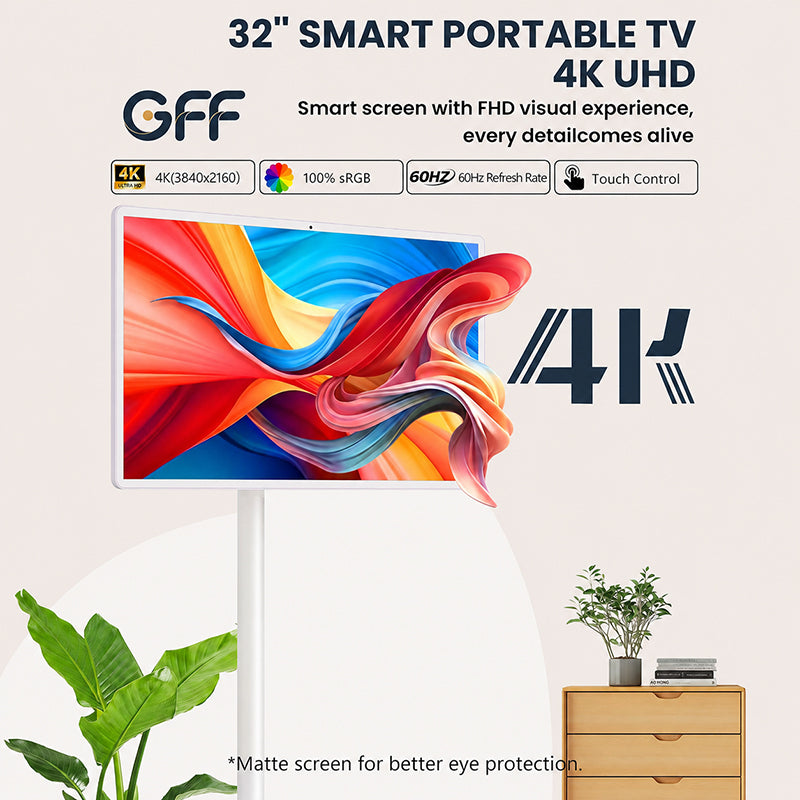
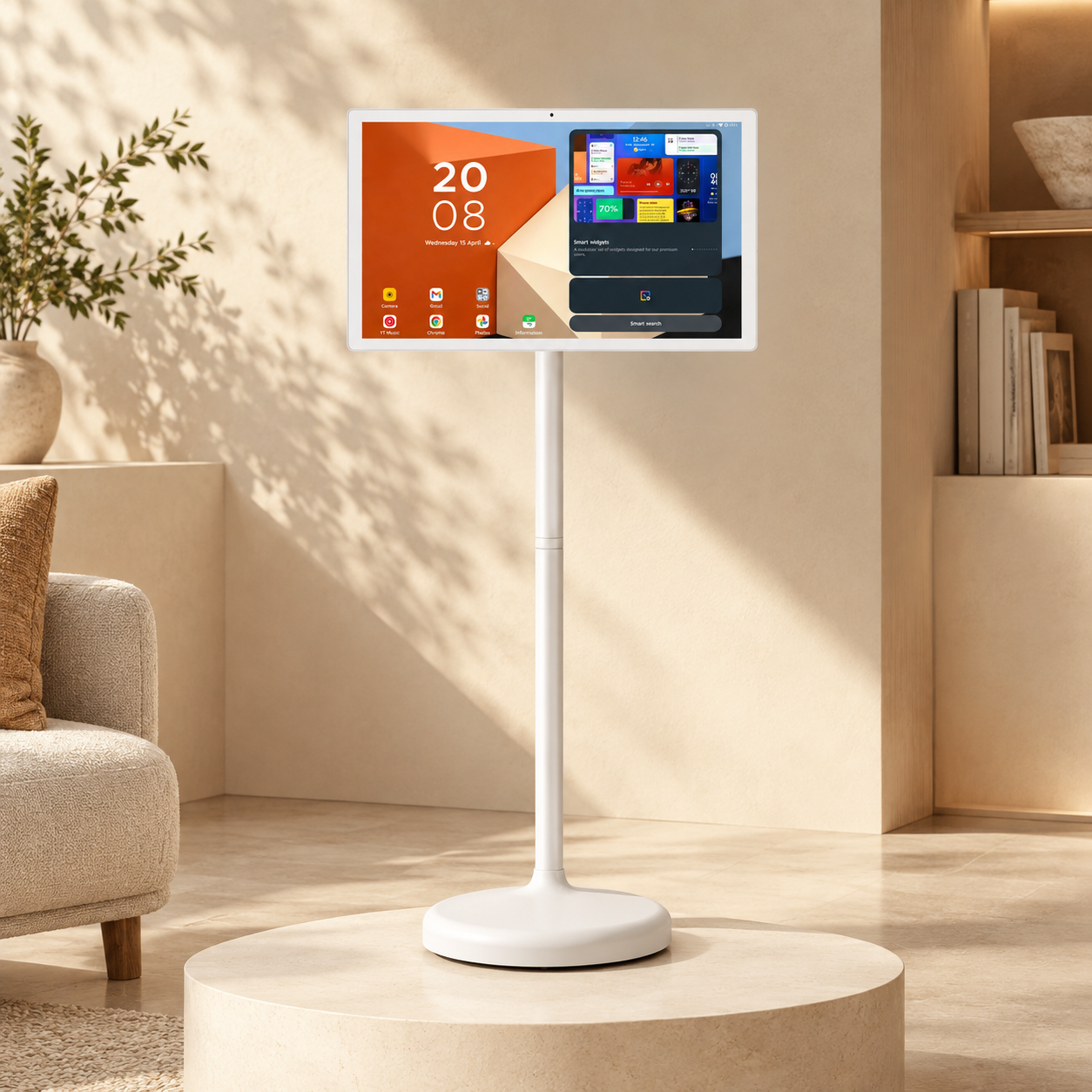
For individuals who need to bring their entertainment everywhere or just apply the best display technology, the Portable TV on Wheels gives them the best flexibility, durability, and high-quality performance. Using weatherproof construction, bright screens, and intelligent connections.
We simplify the process of taking your TV everywhere. Get a quote today and turn up the entertainment, whether in the backyard movie nights, in the pool sporting, or in the customized indoor installations.
About the Author:
Nana Xu is a tech writer and product enthusiast who focuses on smart home devices and innovative display technologies. With a passion for user-friendly design and new trends in consumer electronics, she helps readers make smarter choices for modern living.