
Table of Contents
Small TVs haven't vanished, but there are a lot fewer of them than there used to be. Panel makers and TV brands have put their money and factory space into big screens, so most small TVs today are basic 24- and 32-inch HD sets (and there's not much to pick from in between).
If you want a small TV that's also a good one, you'll usually have to jump up to 42 or 43 inches.
That's a big change from ten years ago, and it's why so many people walk into a store looking for a bedroom TV and walk back out a little confused. So what happened, and what can you still buy?
Small TVs Used to Rule the Market
Back in 2013, the 32-inch TV was the most popular size in the world. It made up about 40% of all TVs sold, and screens from 15 to 29 inches still sold well too. Lots of homes had one in the kitchen, one in the bedroom and maybe one more in the kids' room.
Then big screens started getting cheaper (fast), and the whole market moved up in size.

Where the Small TV Market Stands Now
The numbers make it pretty clear:
- In 2025, TVs 60 inches or bigger made up 28.2% of all TVs shipped around the world, according to TrendForce. That was the first time they'd ever gone past 28%.
- Omdia thought sales in China of TVs 65 inches and under would fall by 6% in 2025, while sales of 75-inch-plus TVs would grow by more than 24%.
- In late 2025, the average TV sold in China was almost 63 inches. Even in Asia and Oceania, where homes are often smaller, it was about 45.5 inches.
- For 2026, panel makers have been making fewer 23.6- and 32-inch panels and more 43- and 50-inch ones.
Small TVs still sell, though. Brands just see them as a cheap corner of the market that doesn't make them much money, not something they want to show off.
Why It's So Hard to Buy a Small TV
There isn't just one reason. It's really a few things working together.
The money's in big screens. A 32-inch TV panel cost brands about $35 in mid-2025, so there's very little money left over once the TV is built, shipped and sold. A 65-inch set takes up the same shelf space and makes a lot more.
Factories are built for big glass. Modern panel plants cut huge sheets of glass, and they work best when they're cutting sizes like 43, 55 and 65 inches. Small sizes just don't fit the plan anymore.
Brands are pulling back. Samsung, for one, hasn't put as much focus on smaller sizes in recent years. Some models just disappear, too (What Hi-Fi? had to drop its best 32-inch pick in January 2026 because nobody could find it in stores).
Premium tech skips small sizes. The smallest OLED TVs from the big brands are 42 inches, and real 4K at 32 inches is still hard to find. Most small sets are still HD, which is why HD TVs (all under 40 inches) make up about 30% of TV sales around the world.
Small TVs You Can Still Buy
24 inches
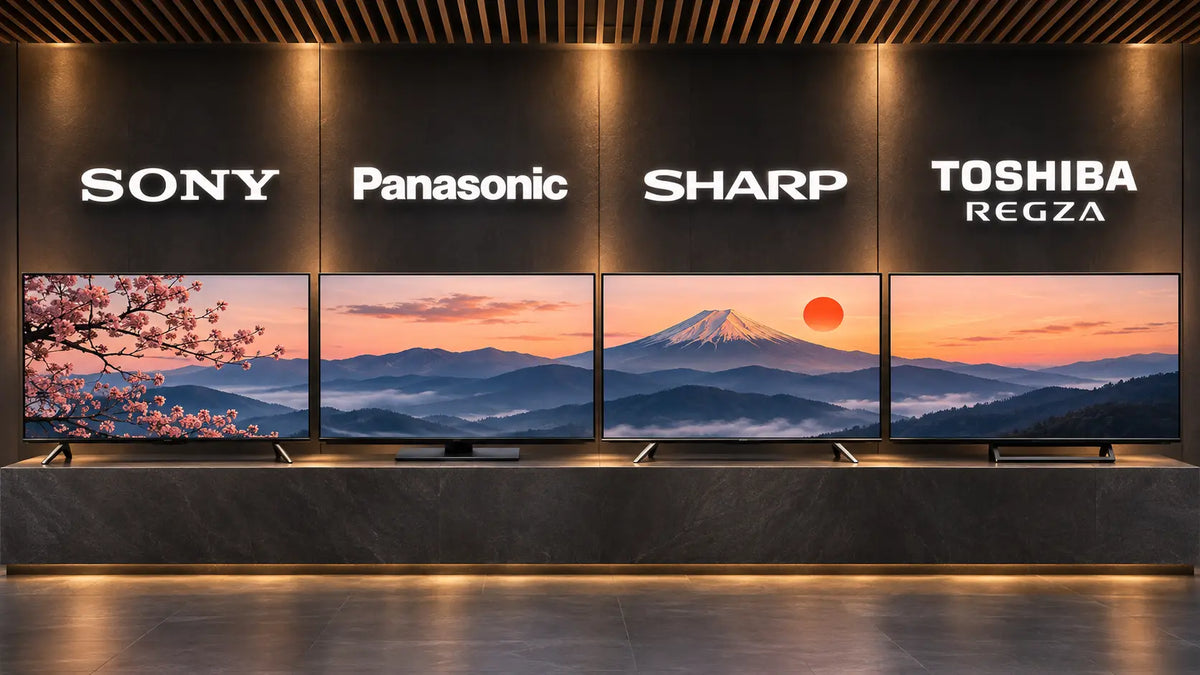
This is the smallest size most big stores still carry. Roku sells its own 24-inch Select Series TV, and Westinghouse and Toshiba make 24-inch smart TVs too. They're fine on a kitchen counter or a desk, but don't expect much more than 720p.
32 inches
This is where you'll find the most choice, mostly from budget brands like Insignia, Hisense, Roku, Vizio and TCL. Samsung still makes a few as well. RTINGS picks the 32-inch Samsung Q8F as the best small smart TV at this size, but even that one runs at 60Hz and doesn't offer much for gamers.
42 to 48 inches
If you want the best picture, this is where it starts. The LG C6 OLED comes in 42 and 48 inches, and RTINGS calls it the best small TV it's tested. Samsung's S90F OLED comes in a 42-inch size too. They're great TVs, but they cost a lot more and take up more room than a "small" TV used to.
How to Find Small TVs on Sale
The good news is that small TVs on sale are easy to find, because they're already cheap and stores love putting them in deals. Here are a few tips to help you get a better one:
- Shop big sales like Black Friday and Prime Day, when 24- and 32-inch smart TVs often get their biggest price cuts.
- Check the resolution before you buy. Some sale TVs are only 720p or 768p, so go for 1080p if you'll be sitting close.
- Look at last year's 42- or 43-inch models, since they often drop a lot in price once the new ones come out.
- Read the return policy, because really cheap sets can vary a lot in quality.
A Different Answer: TVs on Wheels
A lot of shoppers figure out they don't really need a small TV. What they need is a TV that fits wherever they happen to be, whether that's the kitchen while they cook, the bedroom at night or the patio on a warm evening.
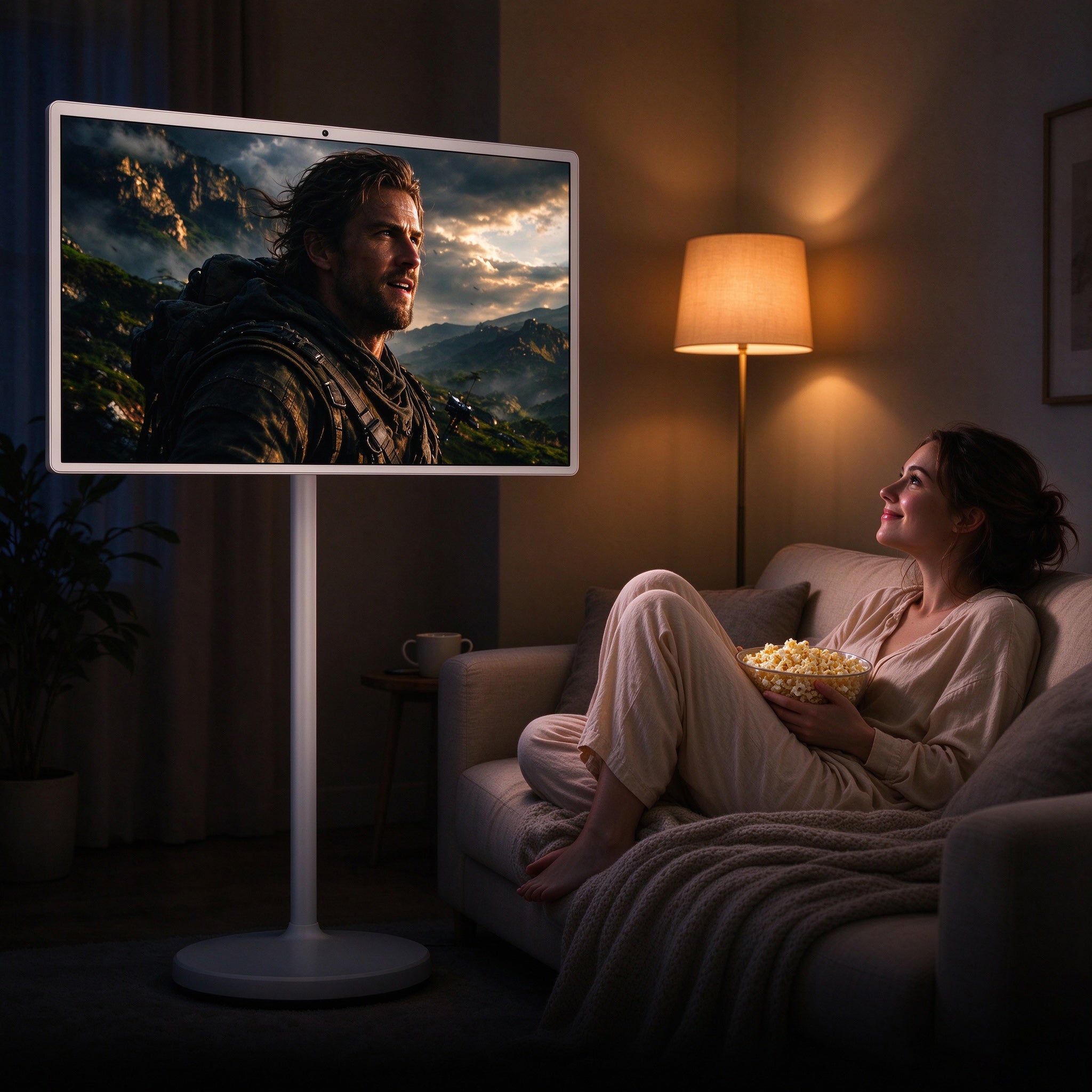
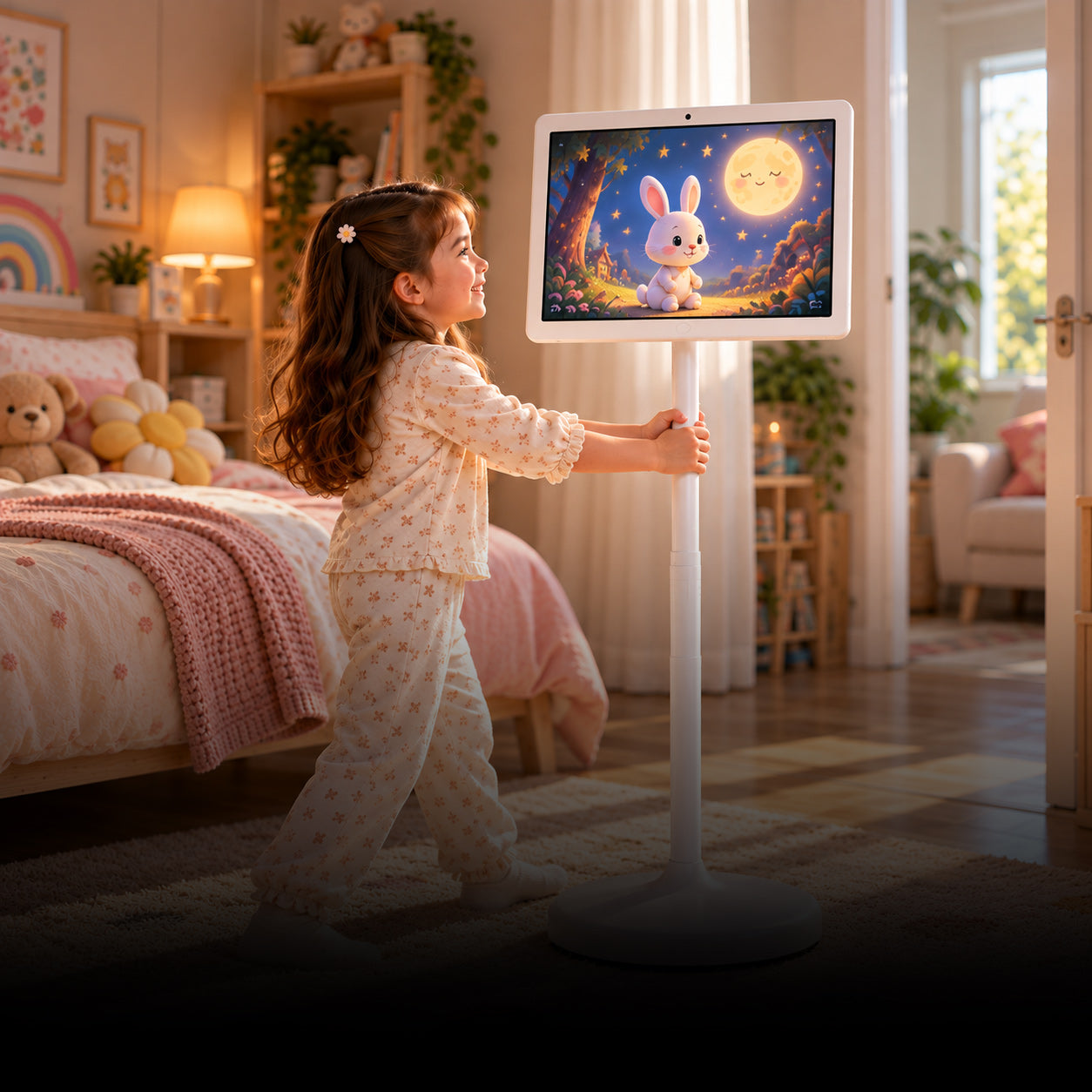
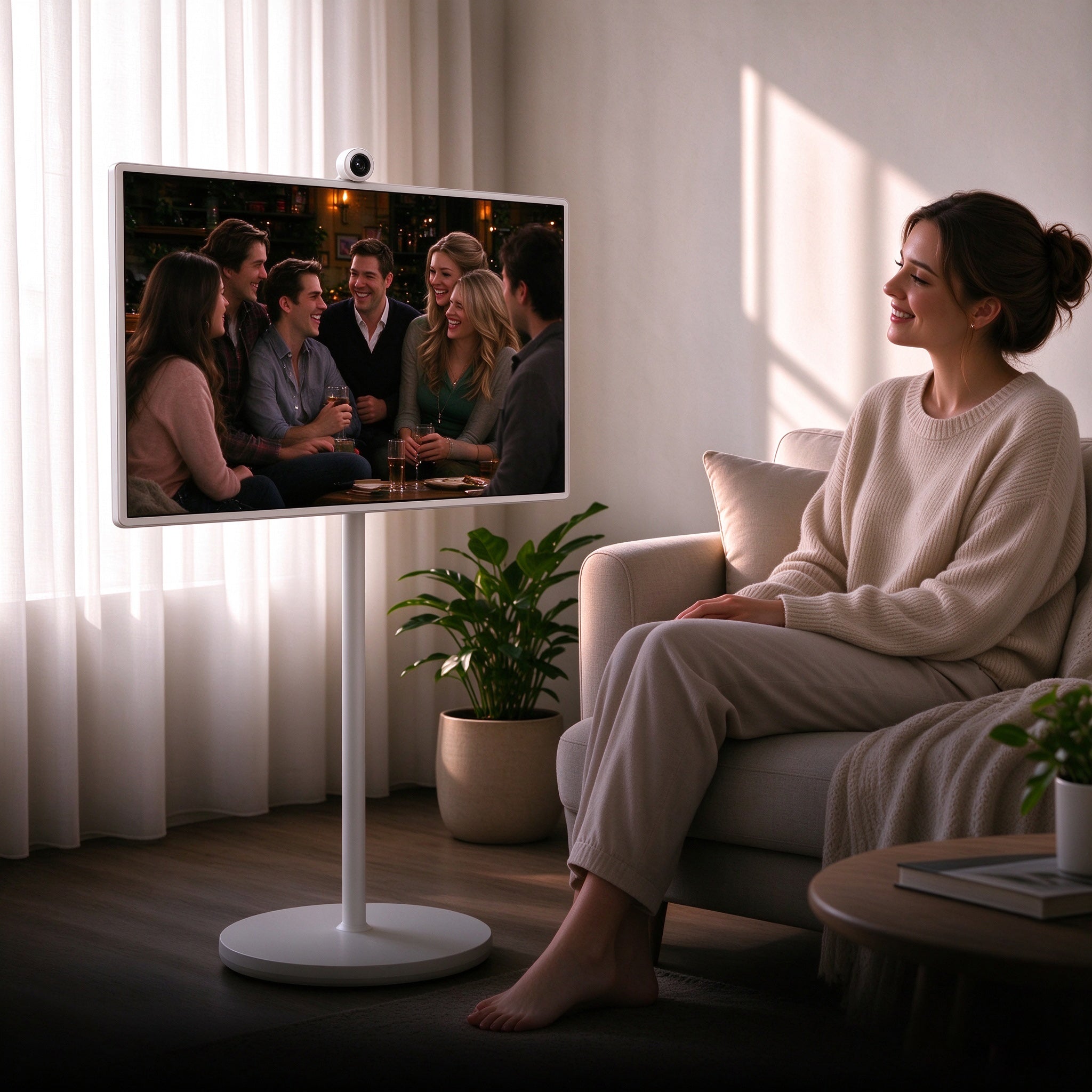
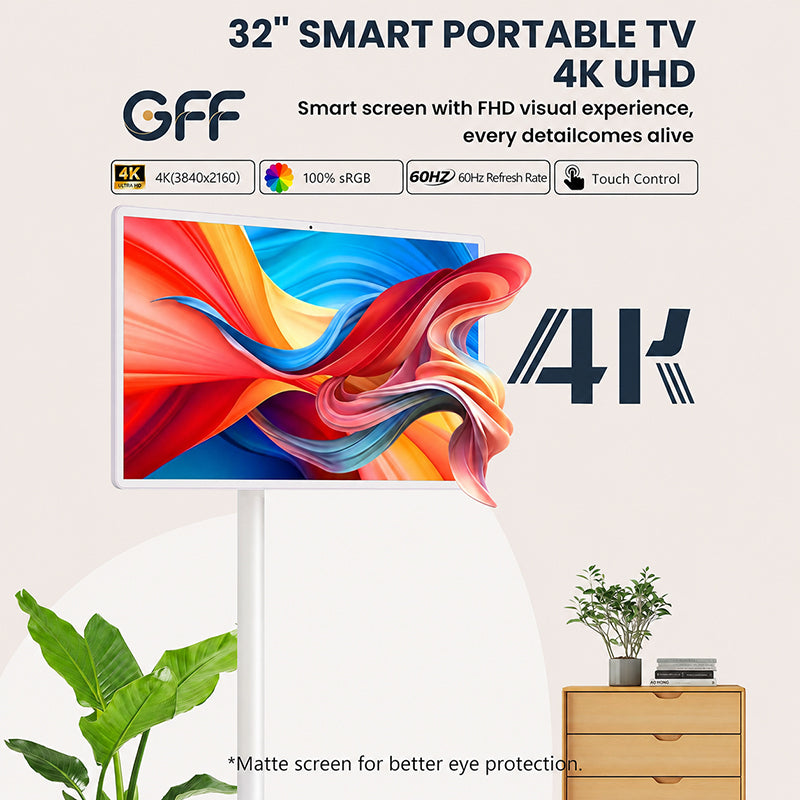
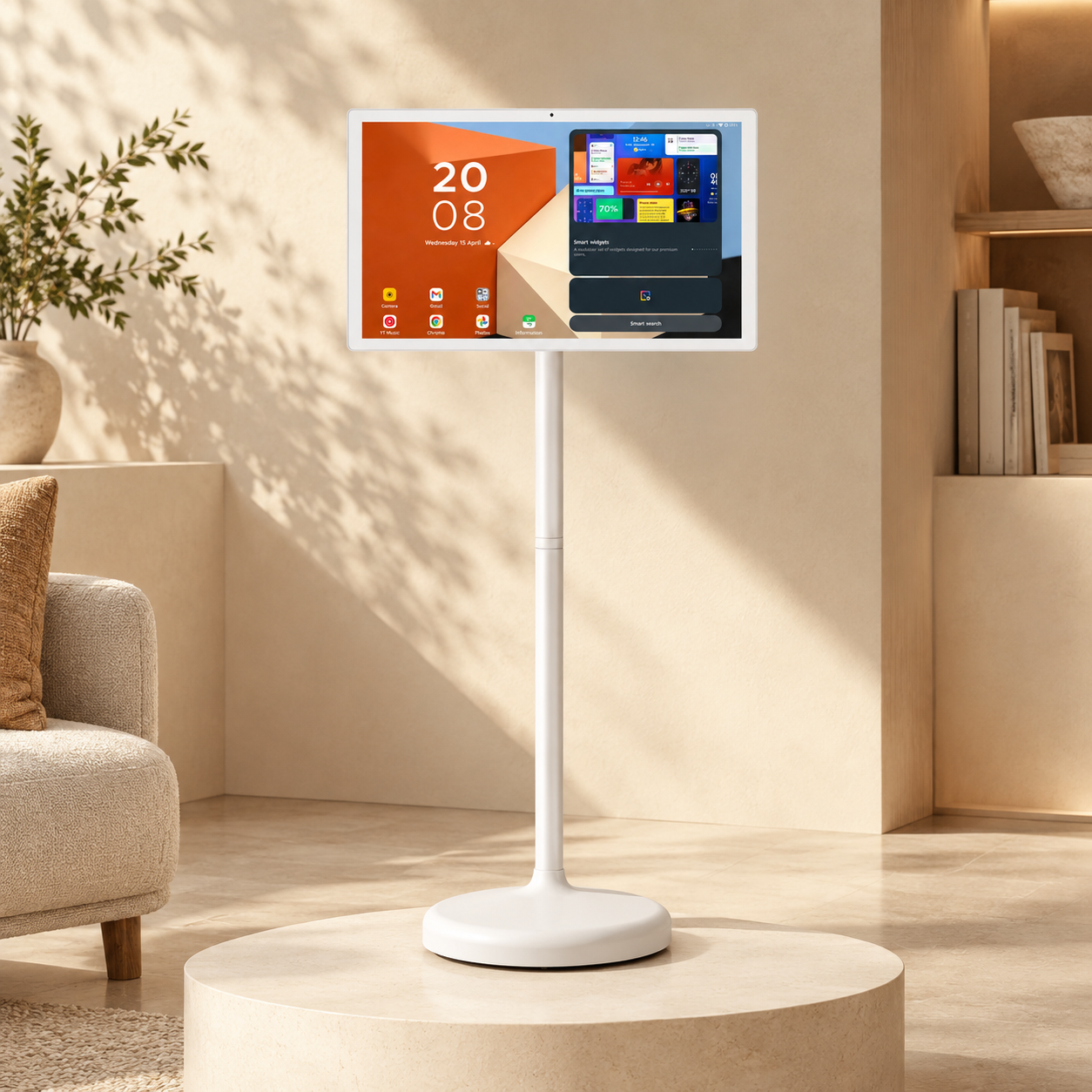
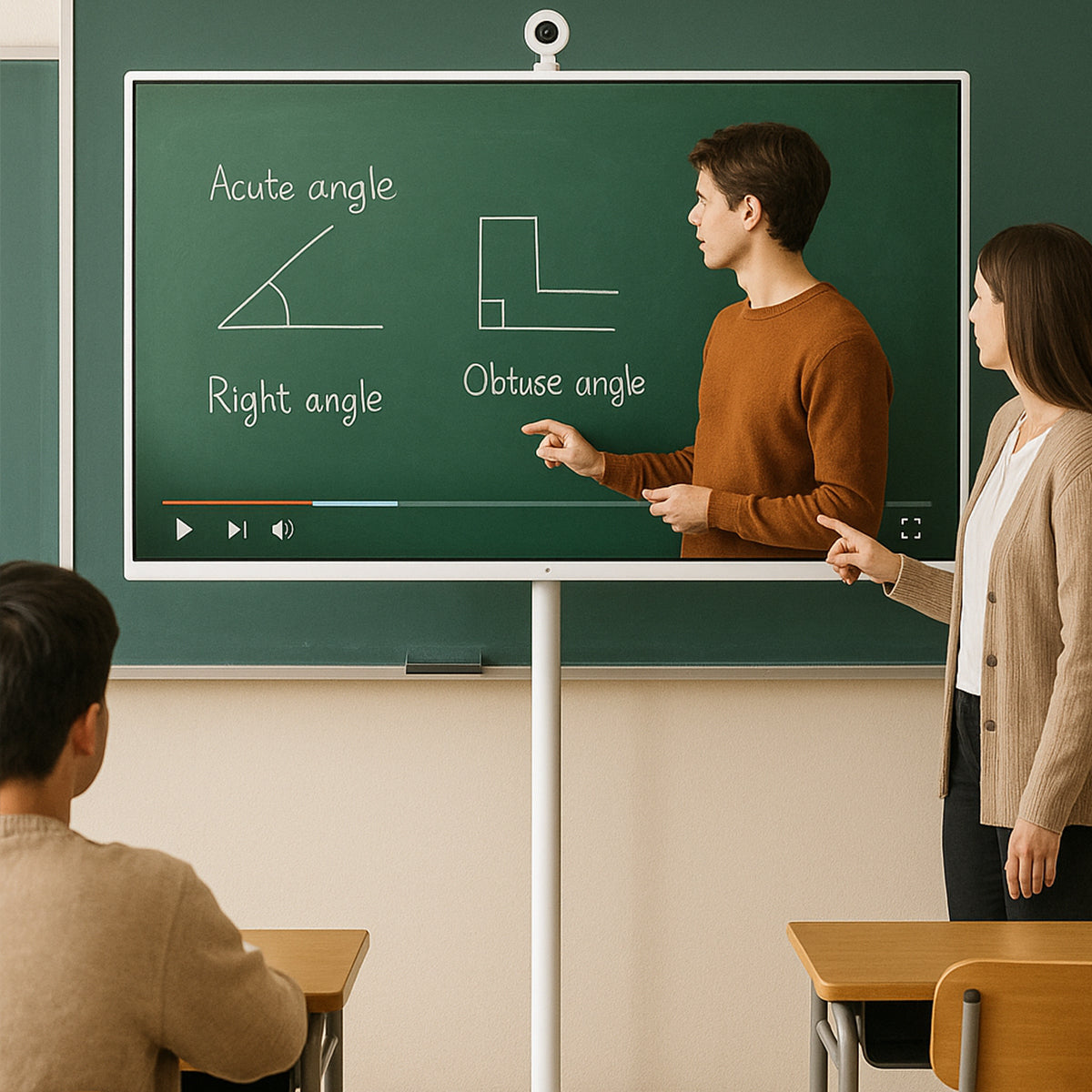
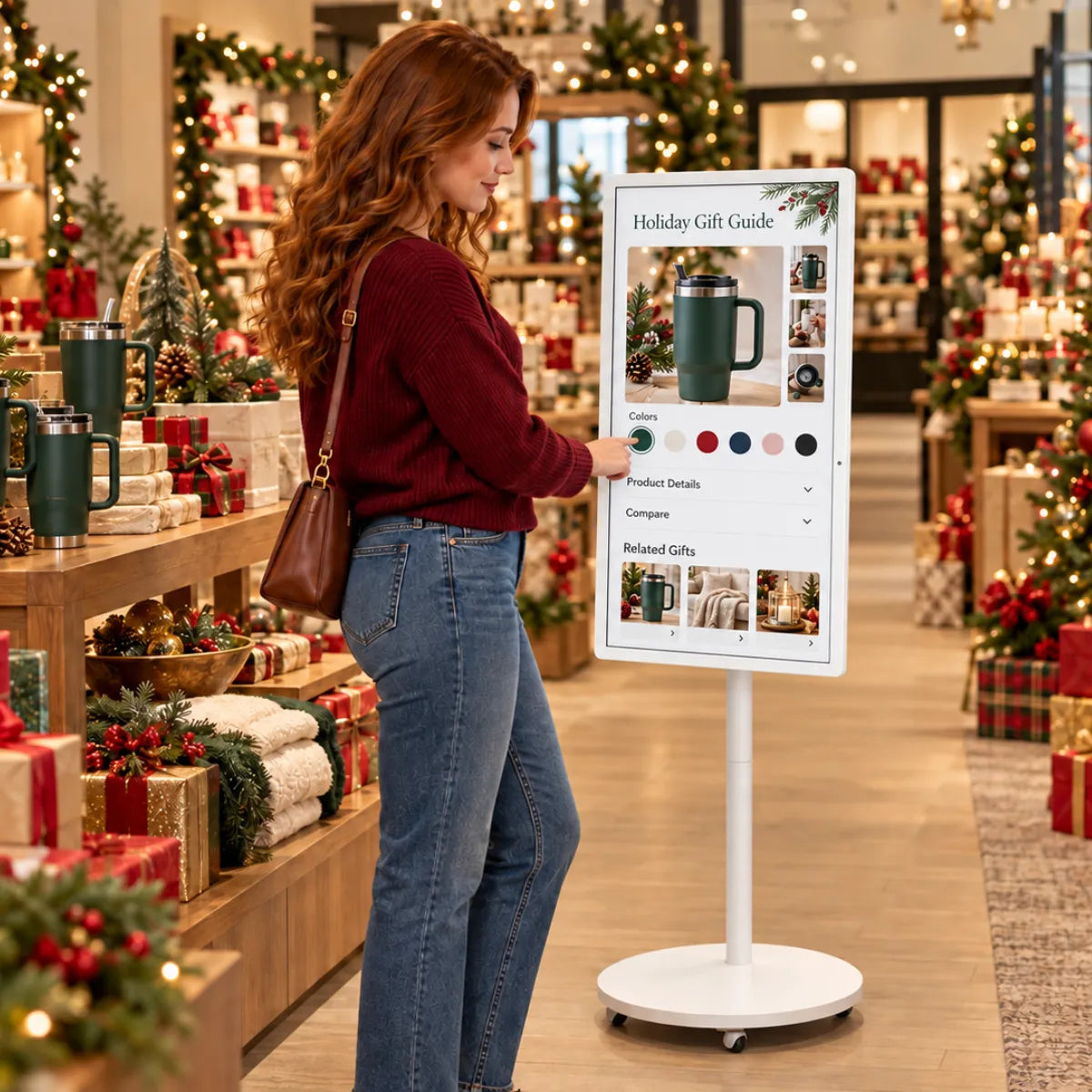
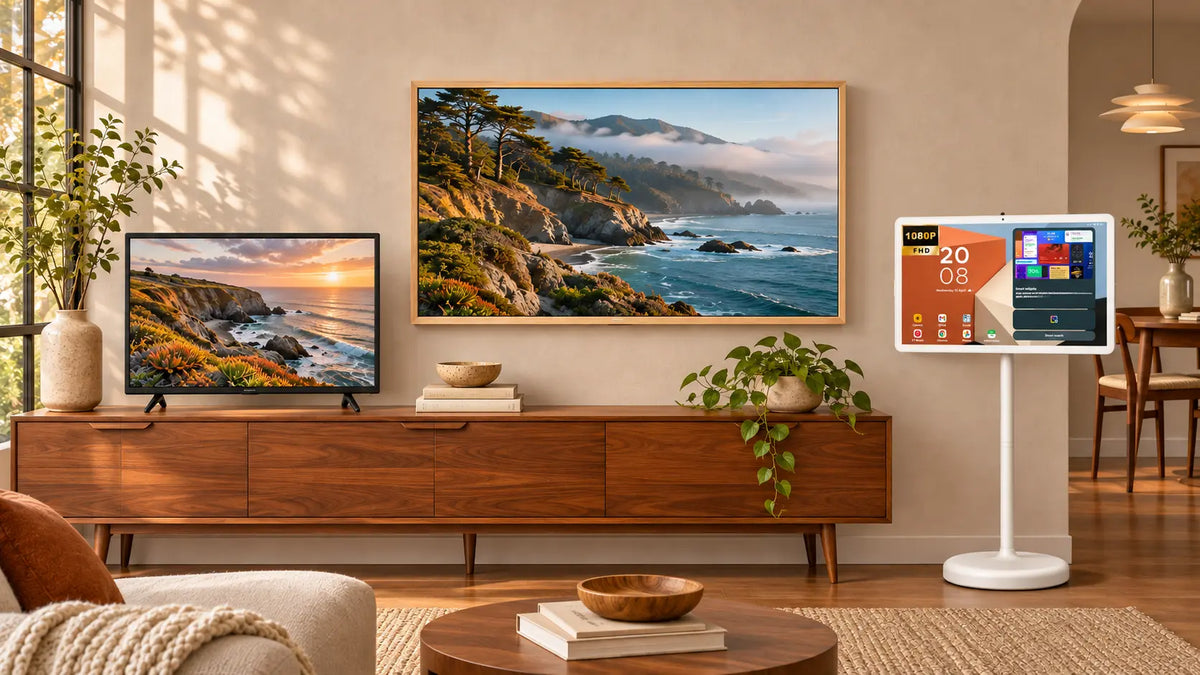
That's why portable smart TVs on wheels have caught on. LG's StanbyME and Samsung's Movingstyle helped start the trend, and GFF AI now makes portable smart screens on rolling stands too, including a 22inch and a 32-inch 4K models. You get a small, sharp screen with apps built in, and you can roll it into whatever room you're in instead of buying three cheap TVs.

FAQ
1. Do they still make small TVs?
Yes, but not as many. Most new small TVs are 24 or 32 inches, and they're usually basic HD models from budget brands.
2. Why are there no small 4K TVs?
There are a few, but they're rare. At 24 or 32 inches it's hard to see the extra detail from a normal distance, so brands save 4K for TVs that are 43 inches and up.
3. What's the smallest OLED TV?
The smallest OLED TVs from the big brands are 42 inches, from companies like LG and Samsung.
4. Is a portable TV better than a small TV?
It can be, if you watch TV in more than one room. A portable TV on wheels goes wherever you go, while a small TV stays put.
The Bottom Line
Small TVs didn't die, but the market moved on without them. You can still find cheap 24- and 32-inch sets (and lots of small TVs on sale), or you can step up to a 42-inch OLED if picture quality matters most to you.
And if what you really want is a screen that follows you around the house, take a look at GFF AI's portable smart TVs. You get the size of a small TV, but you can watch it anywhere you like.