


Table of Contents
Yes, if you actually use your TV for more than watching shows, gaming, presentations, digital signage, or a shared workspace screen. No, if you just want something to stream Netflix on from the couch.
A touch screen TV adds real value the moment you start interacting with the screen directly instead of just watching it. For most living rooms, though, a remote does the job fine.
That's the quick version. Now let's get into why, because "worth it" really depends on how you plan to use one.
What Makes a Touch Screen TV Different
If you read our earlier piece on what a touch screen TV actually is, you already know these aren't just regular TVs with a touch layer slapped on top.
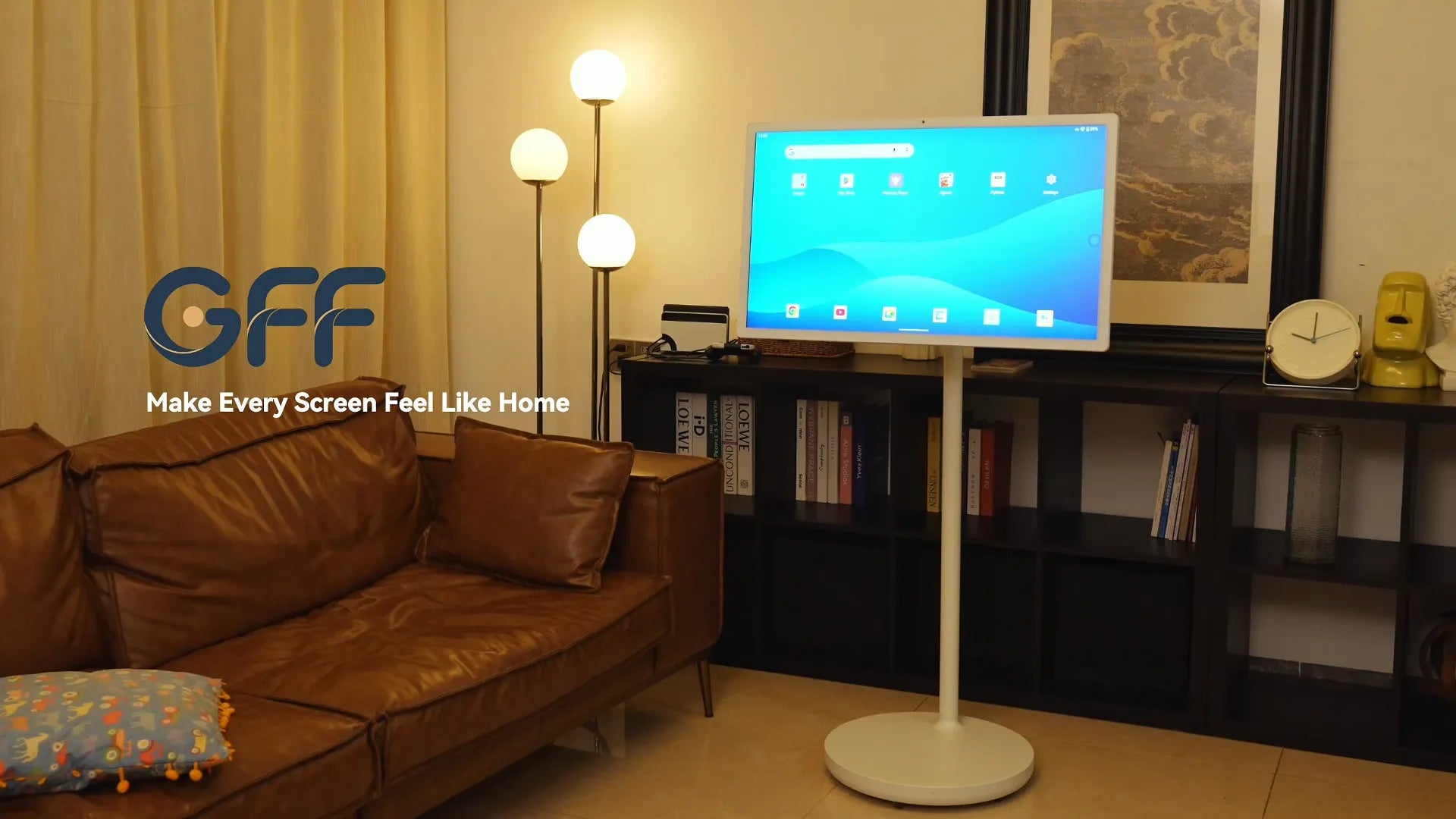
Most of the touch screen TVs on the market today are really portable smart displays, think a large tablet on a rolling stand, running Android OS, with a built-in battery so you're not tied to an outlet.
That's a very different product from a 65-inch LED TV mounted on your living room wall. And that difference is exactly why the "worth it" answer isn't the same for everyone.

When a Touch Screen TV Is Worth It
Here's where the touch capability actually earns its price tag:
-
You need something portable
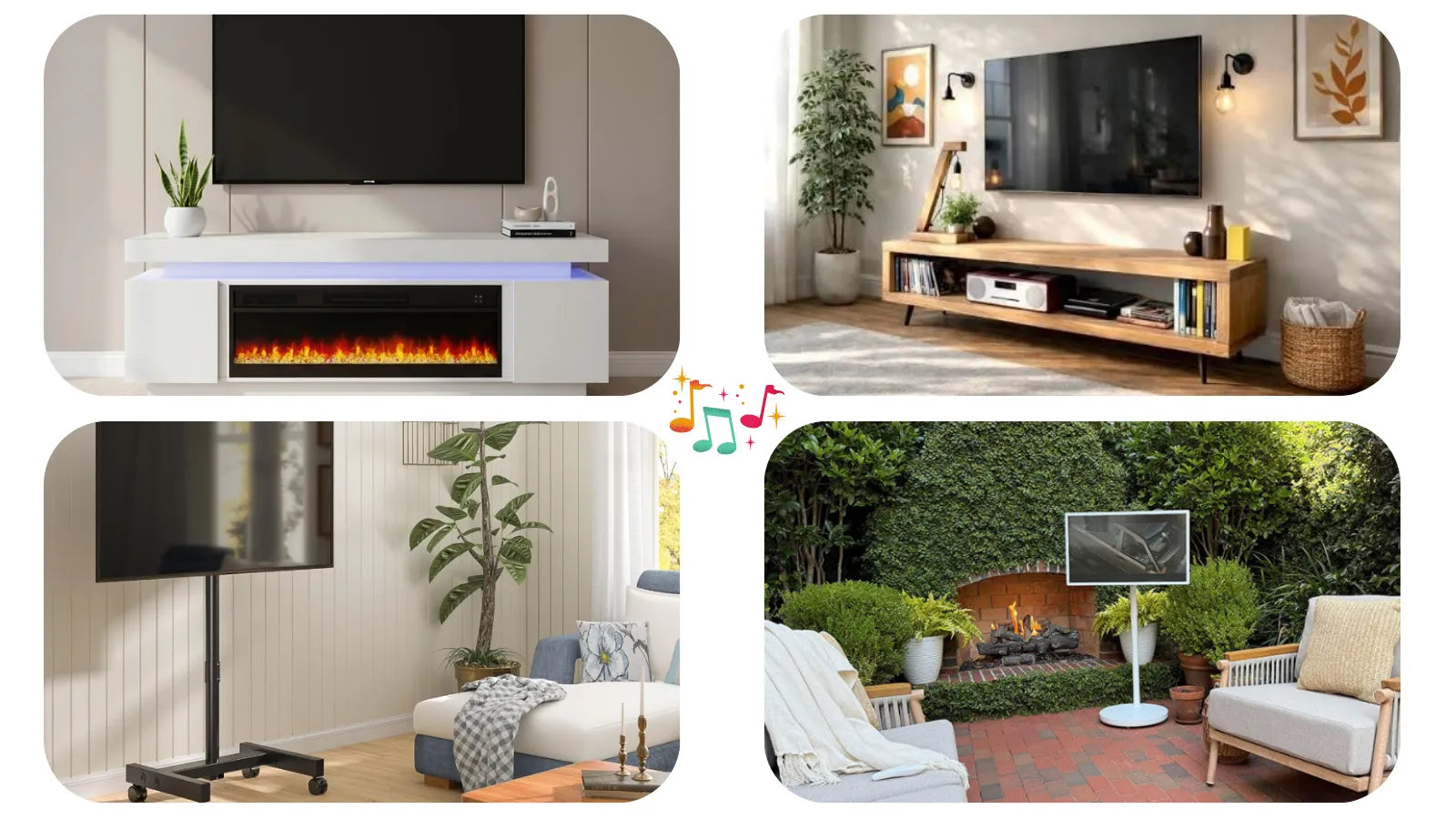
A smart portable TV on wheels can move from the living room to the bedroom to the backyard in about ten seconds. Try doing that with a wall-mounted set. -
You use it for work or presentations
Touch screens with 10-point or multi-touch capacitive displays make walkthroughs, sketching, and annotating during a meeting way faster than pointing a remote at a screen. -
You want a smart home hub
With built-in Android, a lot of these units double as a control center, checking cameras, adjusting smart lighting, video calling, all without pulling out your phone. -
You're using it for signage
Retail displays, wayfinding, and interactive kiosks are one of the biggest real-world use cases for touchscreen TV tech. Customers touch, browse, and interact right on the display. -
You want a shared family screen
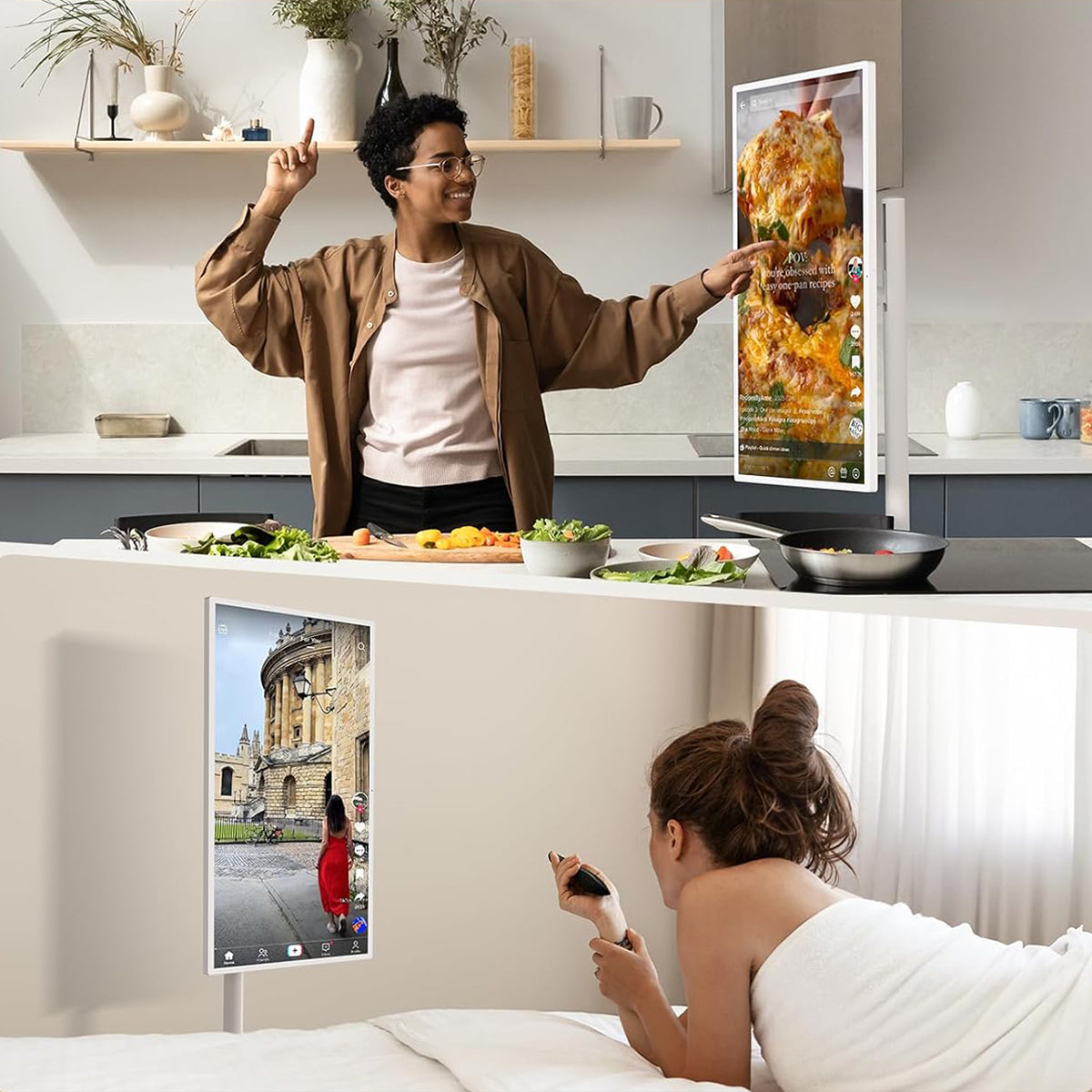
A TV with touchscreen features works well as a kitchen hub for recipes, calendars, or letting kids draw and play without handing over a phone or tablet. -
You like the flexibility of a tablet-tv hybrid
Some models function almost like a giant tablet: swipe, tap, cast wirelessly from your phone, which is handy if you split time between casual viewing and active use.

When It's Probably Not Worth It
On the flip side, a touch screen isn't doing much for you if:
- You mostly watch movies, shows, or sports and never touch the screen once the show starts
- You already have a remote setup you're happy with and no interest in a new interface
- Budget is tight; touch layers, capacitive sensors, and built-in batteries add real cost over a traditional LED TV
- You want a permanent, wall-mounted setup rather than something on a movable rolling stand
- You don't need smart home or interactive features baked into the screen itself
In these cases, a traditional TV, or even a standard 4K smart TV without touch, will do everything you actually need, for less money.
The Real Advantages of a Touch Screen TV
Beyond the "who needs it" question, there are a few genuine upgrades touch screen technology brings to the table:
Direct interaction
No hunting for a remote. Tap to pause, swipe to browse, pinch to zoom on photos or maps; it's the same intuitive feel as your phone, just bigger.
Built-in versatility
Many portable smart TV models pack in a camera (some with 8MP), USB-C, HDMI input, and wireless casting, so the screen doubles as a monitor, a video call display, and a media center.
Better for collaboration
In an office or classroom, being able to walk up and annotate directly on a 27-inch or 32-inch touch display speeds things up compared to passing around a laptop or fumbling with a projector remote.
Genuinely portable
With a built-in battery and a rolling stand, some of these units move around a home or office like furniture, not like a fixed appliance.

Sharper visuals
Most current touch screen TVs come with 4K or 1080p resolution, HDR10, and Dolby Vision or Dolby Audio support, so picture and sound quality haven't been sacrificed for the touch layer.
FAQ
1. Do touch screen TVs cost a lot more than regular TVs?
Generally, yes. The touch layer, capacitive sensors, and often a built-in battery add to the price compared to a standard LED or smart TV of the same size.
2. Can you use a touch screen TV without touching it?
Definitely. Most still come with a remote control, so you can use it exactly like a normal TV when you don't need the touch features.
3. Are touch screen TVs good for gaming?
For casual and touch-based games, yes. For controller-based console gaming, the touch feature itself doesn't add much; you're relying on the display quality more than the touch layer.
4. What sizes do touch screen TVs come in?
They range widely, from smaller 21.5-inch portable models to 27-inch and 32-inch smart portable options, up to larger interactive flat panel displays.
Final Thoughts
A touchscreen TV isn't an upgrade for everyone; it's an upgrade for a specific kind of user. If you want portability, interactivity, or a smart hub for your home or workspace, it's genuinely worth considering.
If you just want to watch your favorite shows from the couch, save the money and stick with a traditional smart TV.
Still not sure which type fits your setup? Check out our full breakdown in What Is a Touch Screen TV: Everything You Need to Know to see how the technology works before you decide.